Is Reina Sofía worth visiting?
Guernica is the reason most people go, and it is enough. What else the Reina Sofia holds, the Tuesday closure, and how the free evenings work.
 By Elena García, Madrid Museums Specialist & Cultural Guide
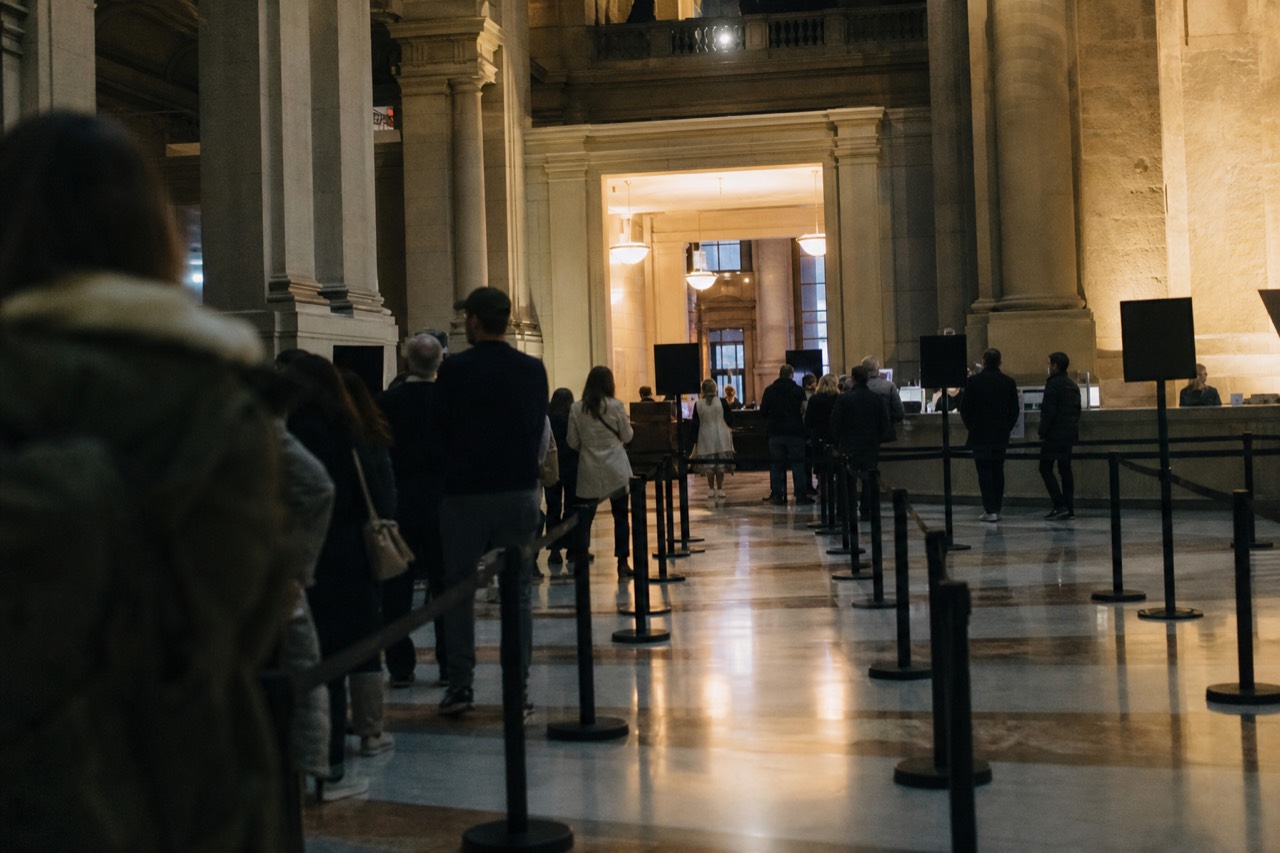
The queue outside the Reina Sofía on a Wednesday evening is a different crowd from the one at the Prado. Younger, more of them alone, most holding a free-entry ticket on a phone. They are almost all there for one painting, and the museum knows it. Whether that makes the visit worth your afternoon depends on what you expect from the other four floors.
What is the Reina Sofía museum famous for?
Guernica. Picasso's canvas hangs in Room 205.10 on Floor 2 of the Sabatini building and is what brings most first-time visitors through the door. Around it sits Spain's national collection of twentieth-century art, with deep Dalí and Miró holdings, in a converted hospital building on the edge of Atocha.
It drew 1,601,732 visitors to its main site in 2025, up 4.2 percent, and 1,706,792 counting library and activity visits. That puts it second among Spain's state museums and roughly a million behind the Prado, which is the fairest way to describe the gap between them: this is a major museum, not a national monument with a single object in it.
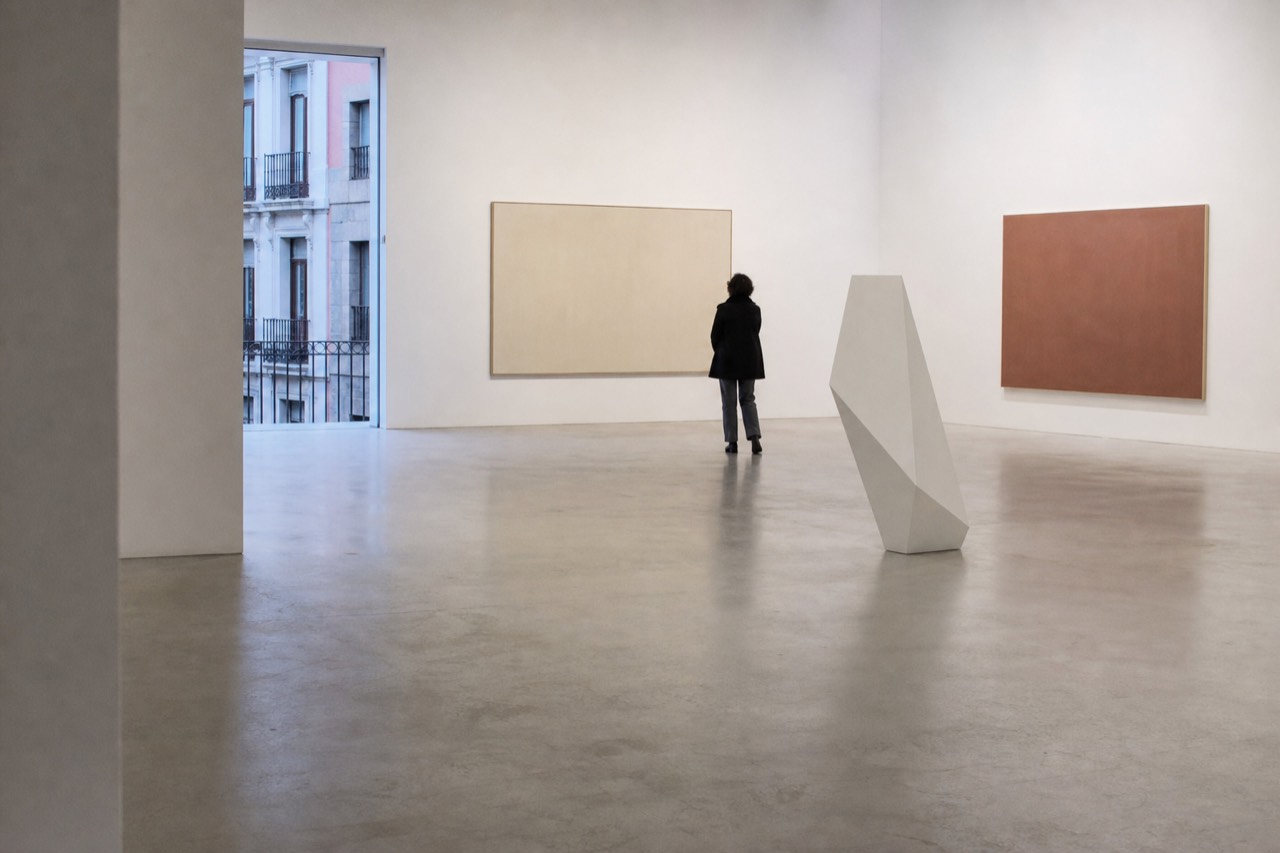
The building rewards people who stay past the famous room. A new floor of the collection opened during 2026 covering 1975 to the present, with a lot of work that had not been shown before. The Palacio de Cristal in the Retiro, which the museum also runs, is closed for works, so do not plan an afternoon around it. Compared with the old-master rooms at the Prado, the experience is quieter, more political and considerably less crowded outside the free slots.
Why is Guernica so famous?
It is the most recognised protest painting of the twentieth century, made by Picasso in 1937 after the bombing of the Basque town it is named for. It spent decades outside Spain, arrived in Madrid under escort on 10 September 1981, and was shown behind bulletproof glass before moving to the Reina Sofía in 1992.
That history is the reason the room around it feels unlike anything else in the museum. For years photography was banned outright and guards spent their shift enforcing it. Under a September 2023 policy change by director Manuel Segade, photographs without flash are now permitted, which altered the atmosphere in front of the canvas. Our guide to seeing Guernica in person covers the room, the rules and the best hour to go.
Book Reina Sofía for a morning rather than a free evening if the painting is your reason for coming, and check availability for the day you want. Remember the museum closes on Tuesdays, not Mondays, which catches out more visitors than any other rule in Madrid.
Can you see Guernica for free?
Yes. The permanent collection, Guernica included, is free from 19:00 to 21:00 on Mondays and Wednesday to Saturday, and from 12:30 to 14:30 on Sundays. You still need to claim a ticket for those slots, and they are the busiest hours of the museum's week: 62 percent of its 2025 visitors came in free or discounted.
| Day | Museum open? | Free window | Notes |
|---|---|---|---|
| Monday | Yes | 19:00-21:00 | Ticket still required |
| Tuesday | Closed all day | None | The one closure people forget |
| Wednesday to Saturday | Yes | 19:00-21:00 | Busiest hours of the week |
| Sunday | Yes | 12:30-14:30 | Shorter day, earlier free slot |
| 18 Apr, 18 May, 22 May, 12 Oct, 6 Dec | Yes | All day | Set free days |
Two hours before closing is enough for Guernica and one other floor, and no more than that. The full ticket is €12 at the official rate, or from $14 on the live listing with a fixed slot, and there is an €18 version that lets you come back within the year. The museum's visitor pages list the current free days alongside the exceptions.
If you are pairing it with something the same day, the Thyssen-Bornemisza across the boulevard is the easy partner: ten minutes up the Paseo del Prado, open on the day the Reina Sofía is not, and short enough to fit either side of lunch. It sits alongside both of them in the madrid museums directory, with hours and prices for each. The Prado's own opening hours make it the awkward one to squeeze in after an evening slot.
What else do people ask before visiting the Reina Sofía?
The recurring questions are about timing rather than art: which day it closes, how long the collection takes, and whether a free ticket behaves like a paid one. It is worth visiting for Guernica alone, and worth a longer afternoon if twentieth-century art interests you at all.
Which day is the Reina Sofía closed?
Tuesday, every week. Most Madrid museums close on Monday, so this one reverses the pattern and ruins a lot of carefully planned itineraries. It also shuts on 1 and 6 January, 1 May, and 24, 25 and 31 December.
How long do you need at the Reina Sofía?
Ninety minutes covers Guernica and the rooms around it. Three hours covers the collection properly, including the newer floor. If you only have the two-hour free window, decide before you go in whether you want depth on one floor or a fast pass across several.
Do you need a ticket during the free hours?
Yes. Free entry is not open entry: you still collect a ticket, and during busy evenings the desk can run out of slots for the hour you wanted. Arriving fifteen minutes before the window opens is the difference between walking in and waiting.
Is the Reina Sofía better than the Prado?
Different, not better. The Prado is the deeper collection and the one most visitors would not skip; the Reina Sofía is the one with the single most famous modern painting in Europe on its wall. Our side-by-side look at the three big art museums sets out what each is for.