Royal Palace Madrid: What to See Inside, Hours and Free Entry
The state rooms, the armoury and the courtyard ceremony, with current hours, the free windows and who actually qualifies for them, and the quiet museum next door that half the visitors walk straight past.
 By Elena García, Madrid Museums Specialist & Cultural Guide
Short answer
The palace is open daily, roughly 10:00 to 19:00 in summer and 10:00 to 18:00 in winter, with last entry an hour before closing and shorter Sunday hours. Admission runs from around $26 on the live listing. The free late-afternoon slots, Monday to Thursday, apply to EU and Iberoamerican citizens only. The guard changes on Wednesdays and Saturdays, and the full ceremonial version lands on the first Wednesday of most months.
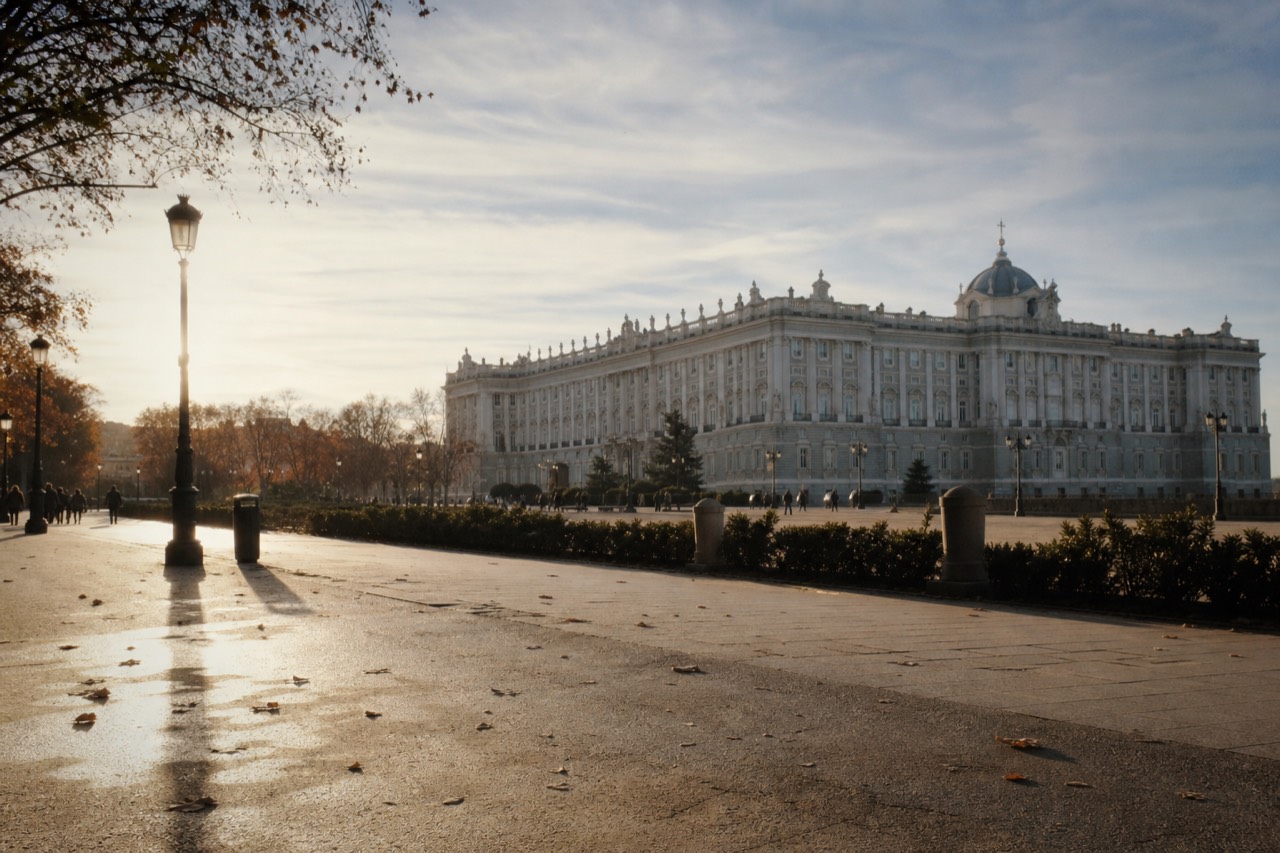
By eleven on a Wednesday morning the railings around the Plaza de la Armería are three deep, and almost nobody in that line has a ticket for the palace itself. They are there for the guard: two foot soldiers and two mounted, relieved every half hour until two in the afternoon, in a courtyard that costs nothing to stand in. The ticket holders are inside by then, moving through the state rooms while the crowd outside watches horses.
That split tells you most of what you need to plan a visit here. Two of the best things about the Royal Palace of Madrid are free and happen outdoors, the paid part rewards an early slot, and the museum next door is quieter than either. The madrid museums directory carries the ticket details for both buildings; this guide covers the visit itself.
What do you actually see inside the Royal Palace?
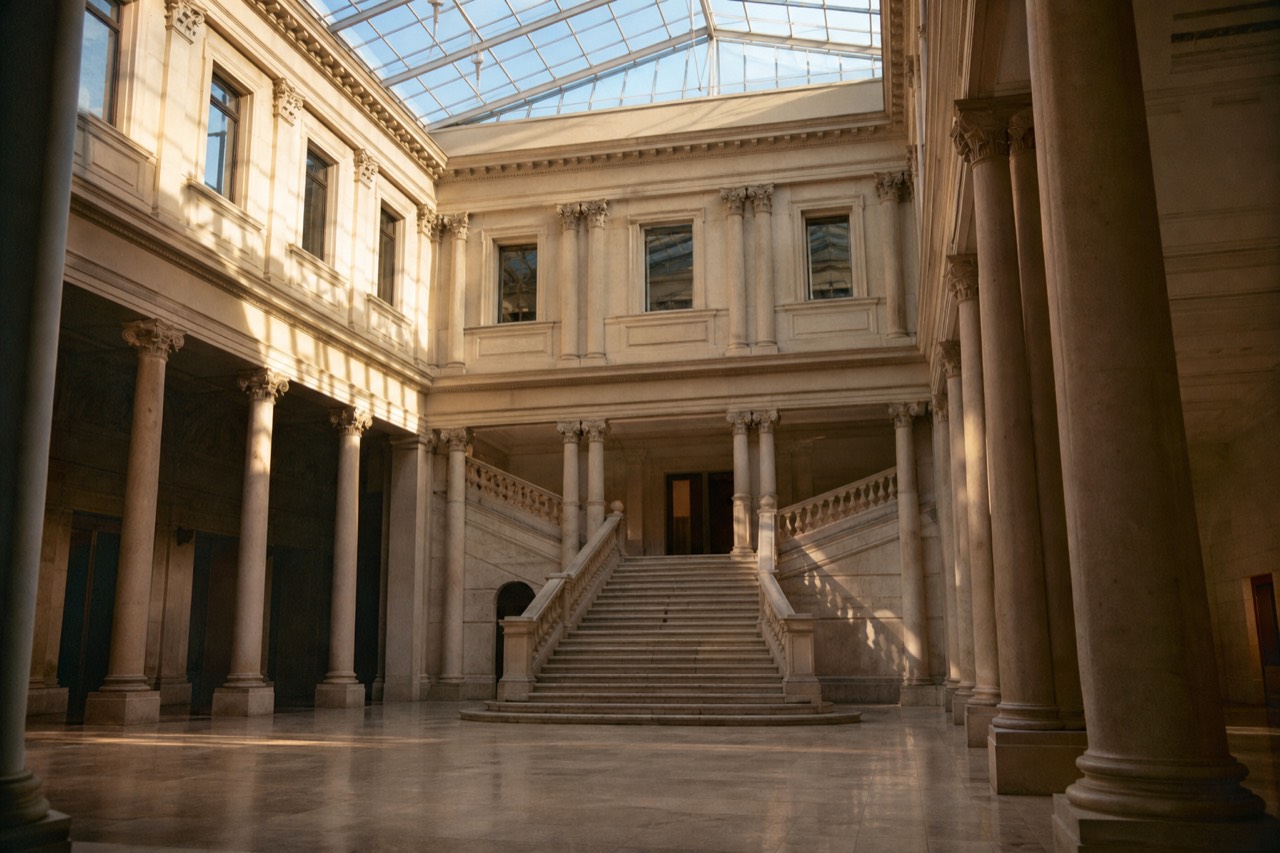
You see the ceremonial half of a working royal residence: the Sabatini staircase, the Hall of Columns, the Throne Room under its Tiepolo ceiling, the Gasparini Room, the Royal Chapel and the Royal Armoury. The route is one-way, the rooms are furnished rather than emptied out, and a state ceremony can close parts of it at short notice.
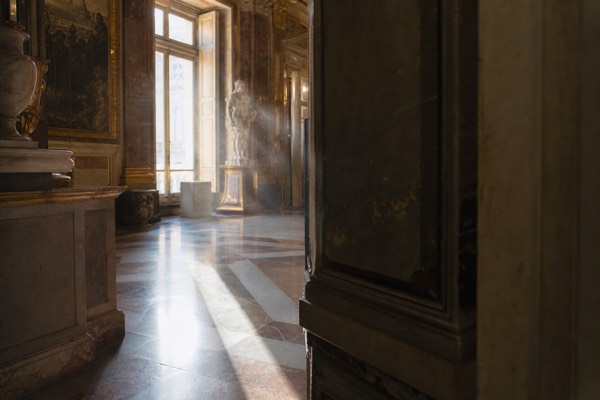
The building went up in the middle of the eighteenth century, after fire destroyed the old Alcázar on Christmas Eve 1734, and Carlos III was the first monarch to move in. What survives inside is not a museum arrangement of objects in cases. It is a sequence of rooms kept in the condition the court used them, which is why the visit feels closer to a house than a gallery, albeit a house with a marble staircase wide enough for a carriage.
| Stop on the route | What is there | Worth knowing |
|---|---|---|
| Plaza de la Armería | The forecourt between palace and cathedral, and the guard ceremony | Free to enter, no ticket, busiest Wednesday and Saturday mornings |
| Grand Staircase | Sabatini's ceremonial ascent in marble, under a frescoed vault | The first room most people photograph, so it bottlenecks at opening |
| Hall of Columns | A vast reception room used for treaty signings and state acts | Occasionally closed for official use |
| Throne Room | Crimson silk, mirrors and Tiepolo's ceiling above the canopy | The one room nearly everyone rates highest |
| Gasparini Room | Rococo stucco, silk and inlaid floor, designed as a dressing room | Small, slow-moving, worth the wait |
| Royal Chapel | The palace chapel, with the collection of historic string instruments | Access varies with services and events |
| Royal Armoury | Parade armour and weapons of the Spanish crown, in its own wing | Often the quietest part of the visit |
| Royal Pharmacy | Jars, stills and the apothecary fittings of the royal household | Easy to skip if you are short on time, but it is genuinely odd |
Plan on the better part of two hours if you stop properly, and less than an hour if you are walking it quickly before something else. The route runs one way, so once you are past a room you are past it. The armoury is the section people most often run out of energy for, which is a shame, because it holds the pieces that put the rest of the building in context.
The palace still functions. It is the official residence of the Spanish Crown and hosts state ceremonies, which is exactly why rooms shut without warning: an audience or a signing takes precedence over a ticket sold three weeks earlier. That is the trade for visiting a building that never stopped being used.
What does a Royal Palace ticket cost, and when is entry free?
Fast-access admission starts at around $26 on the live listing, which skips the main ticket line. Entry is free in the last two hours from Monday to Thursday, but only for EU and Iberoamerican citizens. The gardens, the forecourt and the guard ceremony cost nothing at all, for everyone, every week.
Published euro door prices for the palace disagree with each other depending on ticket type and sales channel, so we quote what the live listing shows rather than a figure you might not meet at the desk. The listing price is the one that has been checked: around $26, rated 4.6 across 15,990 reviews.
| How you go in | What it covers | Cost | Makes sense when |
|---|---|---|---|
| Fast-access admission | The state rooms on a booked slot, skipping the main ticket line | from $26 on the live listing | Peak months, weekends, any day you have a fixed plan afterwards |
| Free late window, Mon-Thu | The same state rooms in the last two hours | Free, EU and Iberoamerican citizens only | You qualify, you have an evening free, and you accept a queue |
| Galería de las Colecciones Reales | The 2023 museum next door, royal collections including Velázquez and Goya | €14 official, $21 on the listing | You want the collection rather than the interiors, or both in one day |
| Palace and gallery together | Both buildings, two separate tickets, a shared afternoon | Sold separately, combined tickets sometimes promoted | You have four hours and no other plans that day |
| Sabatini Gardens and Campo del Moro | The formal terraces and the wooded park below the west front | Free | Any time, and especially in the hour before sunset |
| Changing of the Guard | The courtyard ceremony at the palace gates | Free | Wednesday or Saturday mornings, or the first Wednesday at noon |
The free window is narrower than it sounds. It runs Monday to Thursday only, it covers the last two hours, and eligibility is limited to EU and Iberoamerican citizens, so assume you will be asked to show the document that proves it. Everyone else pays, which is not the trap: the trap is arriving at ten past the hour and losing a quarter of the window to the pavement.
If your dates are fixed and your trip is short, book. Reserve the Royal Palace of Madrid entry ahead and check availability for the morning you want, because the palace runs timed slots through the busy months and the early ones go first.
When is it open, and what time of day should you go?
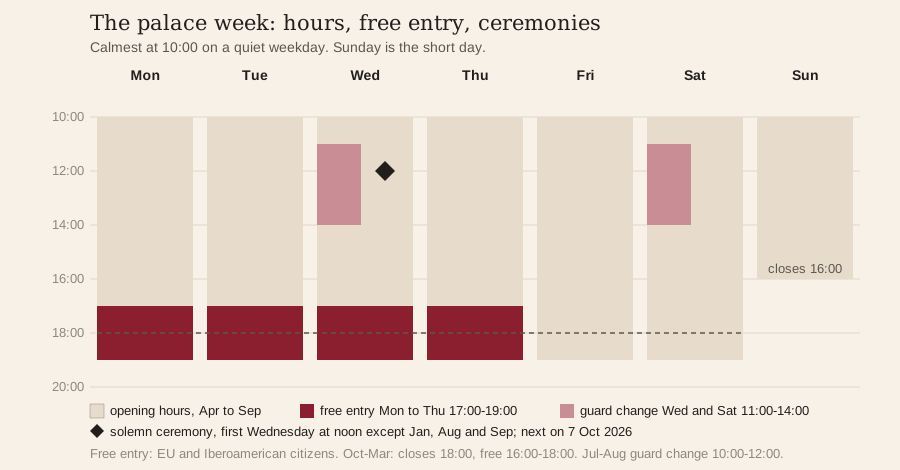
Hours are seasonal. April to September the palace opens 10:00 to 19:00 Monday to Saturday and 10:00 to 16:00 on Sunday; October to March it closes an hour earlier on weekdays. Last entry is one hour before closing, every day. The first slot after opening is the calmest hour of the week to be inside.
Two schedules run in parallel here, and mixing them up is how people lose an afternoon. One is the opening calendar, which is seasonal and shifts twice a year. The other is the ceremonial calendar, which puts several hundred extra people in the forecourt on fixed mornings.
| Season | Monday to Saturday | Sunday | Last entry | Free window, Mon-Thu |
|---|---|---|---|---|
| April to September | 10:00-19:00 | 10:00-16:00 | One hour before closing | 17:00-19:00 |
| October to March | 10:00-18:00 | 10:00-16:00 | One hour before closing | 16:00-18:00 |
Sunday is the short day in both seasons, closing at four, and it catches out visitors who assume the weekend runs late. State ceremonies can close the palace outright, which is rare but real, so a booked slot is worth confirming the day before if the news is full of official visits.
| Time slot | How busy | Why |
|---|---|---|
| 10:00, at opening | Lightest | Groups have not arrived; the staircase and Throne Room are briefly quiet |
| Wednesday and Saturday, 11:00-14:00 | Heaviest | The guard ceremony fills the forecourt and the ticket queue behind it |
| First Wednesday of most months, around noon | Heaviest of all | The solemn ceremony draws a crowd of its own |
| Weekday early afternoon | Moderate | The morning wave has cleared, coach groups are at lunch |
| Last two hours, Mon-Thu | Busy at the door | The free window builds a queue before it opens |
| Sunday after 14:00 | Rushed | Closing is at 16:00 and last entry at 15:00 |
If you have one shot at it, take the first slot of the day and see the guard on a different morning. If you want both in one go, arrive for opening, walk the rooms, and be back out in the forecourt before eleven.
When does the guard change, and is it worth timing a visit around?
The standard relief runs every Wednesday and Saturday from 11:00 to 14:00, with four guards changed every half hour at the Puerta del Príncipe. In July and August it shifts to 10:00 until noon because of the heat. The full solemn ceremony, with band and hundreds of participants, falls on the first Wednesday of most months at noon.
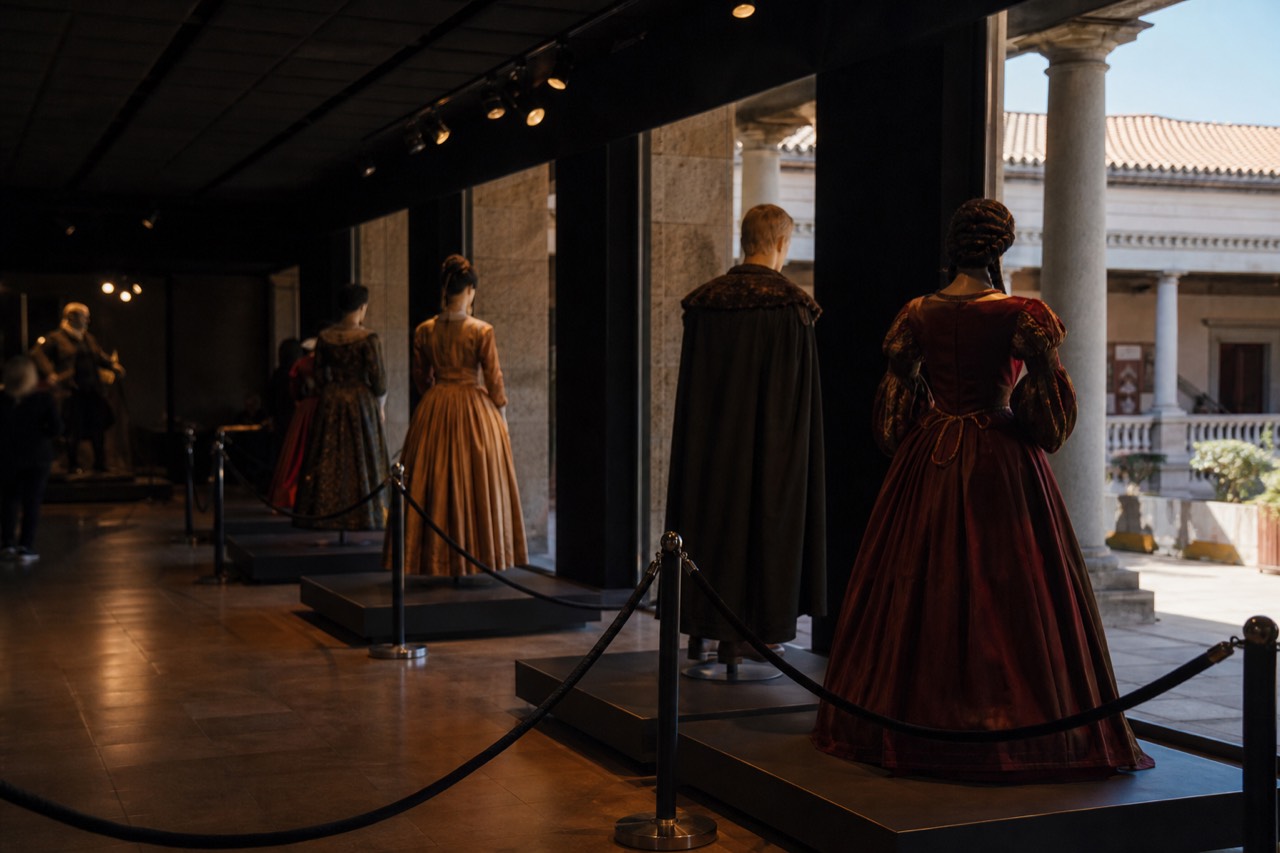
This is the best free thing the palace does, and the two versions of it are not remotely the same event. The weekly relief is a small, repeating ritual: two guards on foot, two mounted, swapped over on the half hour while you drift along the railings. The solemn version is a production, roughly fifty minutes long, with music, and it happens on a schedule that skips three months of the year.
| Ceremony | When | Where | Length | Cost |
|---|---|---|---|---|
| Standard relief | Every Wednesday and Saturday, 11:00-14:00 | Puerta del Príncipe | Four guards relieved every 30 minutes | Free |
| Standard relief, high summer | 1 July to 31 August, 10:00-12:00 | Puerta del Príncipe | Same format, earlier because of the heat | Free |
| Solemn changing of the guard | First Wednesday of the month, except January, August and September, at noon | Puerta de Santiago and the Plaza de la Armería | About 50 minutes, with band | Free |
| Next solemn ceremony | 7 October 2026 | Plaza de la Armería | About 50 minutes | Free |
Both are called off for bad weather or official events, so treat either as a bonus rather than the reason you crossed the city. Madrid's official tourism service publishes the current schedule, and the city's own visitor pages are the place to check the week you travel. For the solemn version, arrive well before noon: the good positions along the Plaza de la Armería are taken early, and the ceremony does not wait.
Is there a dress code, and what else catches visitors out?
No special clothing is needed for a normal visit; this is a museum entry, not an audience. What actually derails people is the calendar: Sunday closes at 16:00, last entry is an hour before closing, the free window is citizenship-restricted, and state ceremonies can shut rooms or the whole building without much notice.
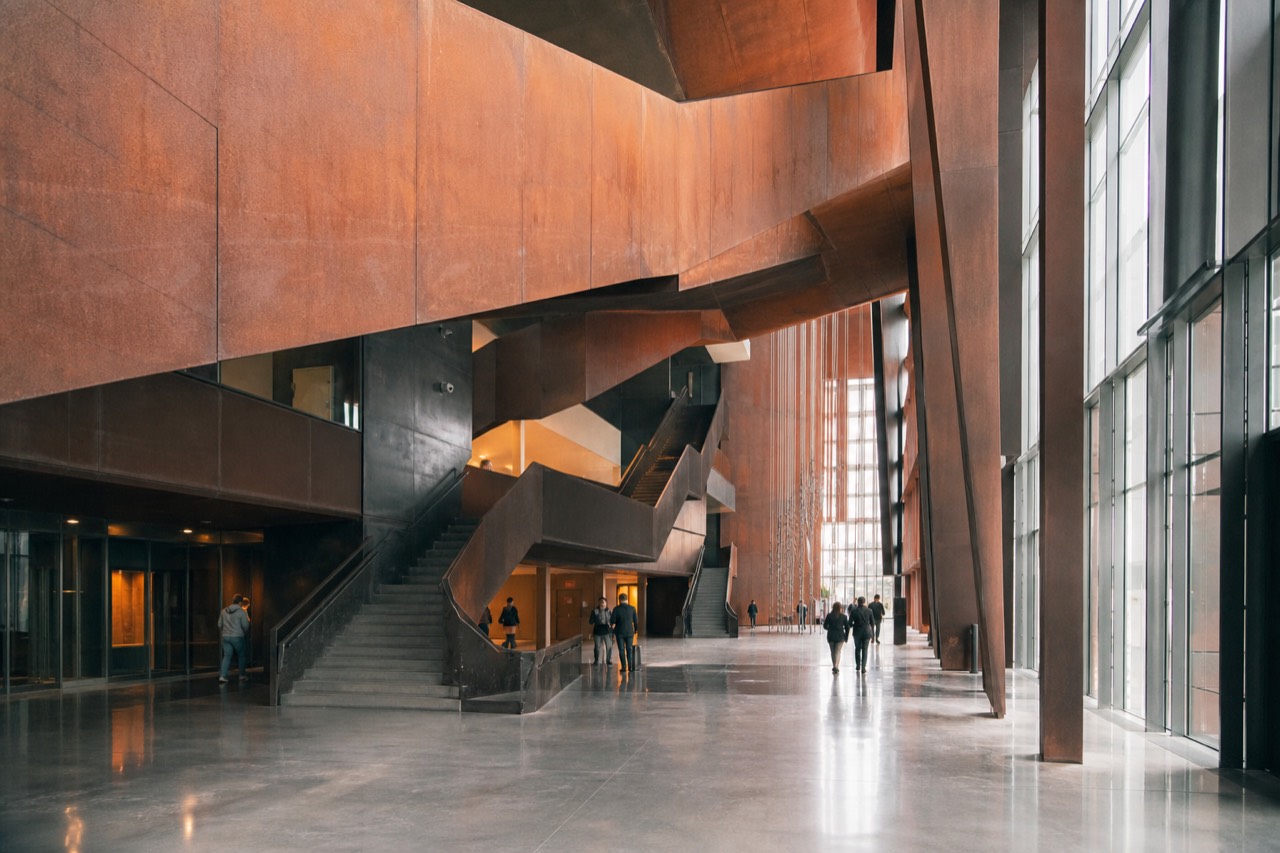
The dress-code question comes up constantly and has a dull answer. Dress as you would for any gallery, and check the official visitor conditions if you are carrying anything unusual, since bag and equipment rules sit with the site operator rather than with the ticket seller. Patrimonio Nacional publishes the current visiting conditions for all its royal sites.
| What catches people out | What happens | The fix |
|---|---|---|
| Sunday hours | Closes at 16:00 year round, last entry 15:00 | Treat Sunday as a morning visit or go another day |
| Last entry | One hour before closing, in both seasons | Aim to be at the door 90 minutes before closing |
| The free window | Limited to EU and Iberoamerican citizens, Monday to Thursday | Carry proof of eligibility, or book a normal slot |
| Guard-change mornings | Wednesday and Saturday queues run long from 11:00 | Book a 10:00 slot, then watch the ceremony afterwards |
| State ceremonies | Rooms, or the whole palace, can close at short notice | Check the day before if an official visit is in the news |
| Assuming one ticket covers both buildings | The gallery next door is a separate admission | Buy the two, or pick one and do it properly |
The last row is the one we see confused most often. The palace and the museum beside it are run by the same body and stand on the same square, but they are two visits, two tickets and two queues.
What should you see beside the palace on the same day?
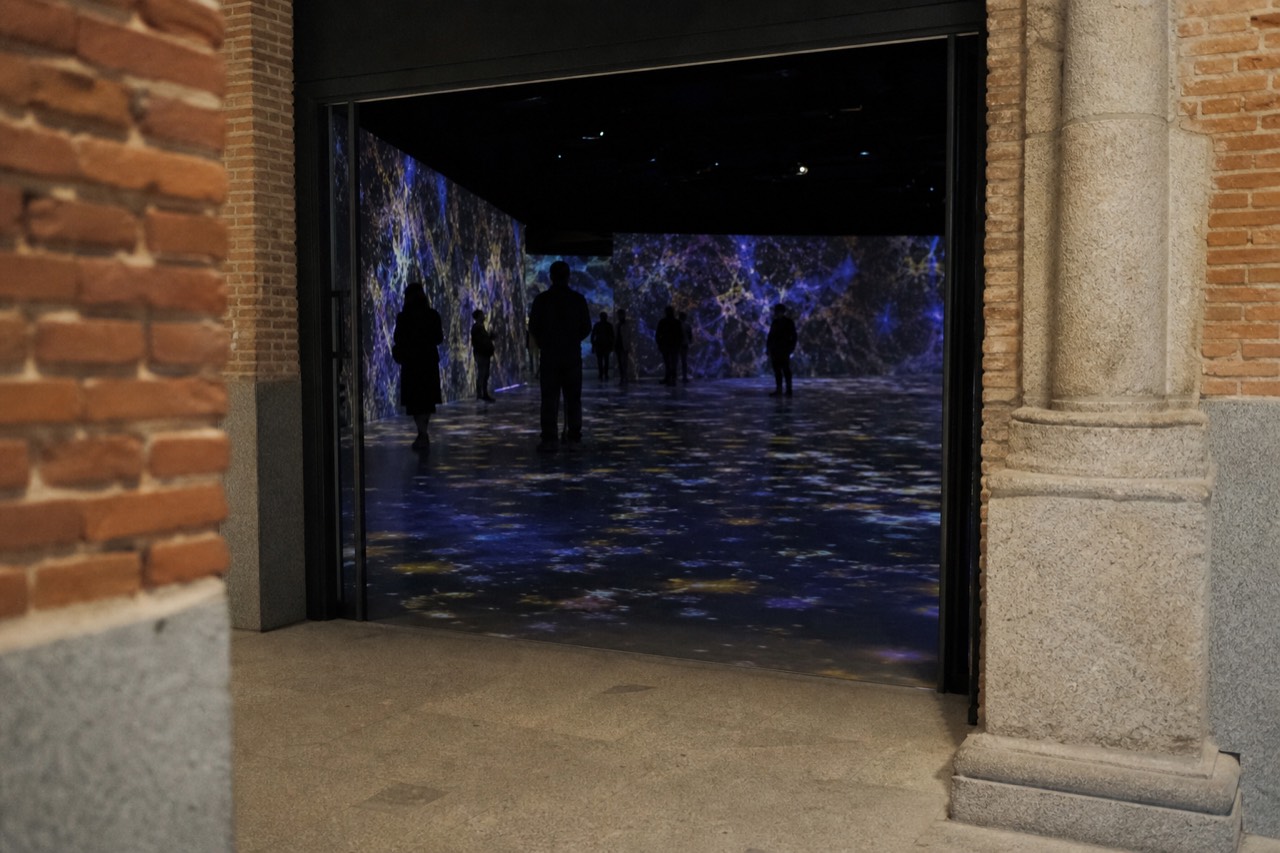
The Galería de las Colecciones Reales, which opened in 2023 on the same square, is the strongest pairing: Velázquez, Goya and Caravaggio from the royal collections, on capacity-capped time slots, and noticeably quieter than the palace. After that, the Sabatini Gardens, the Almudena opposite, and the Templo de Debod fifteen minutes north.
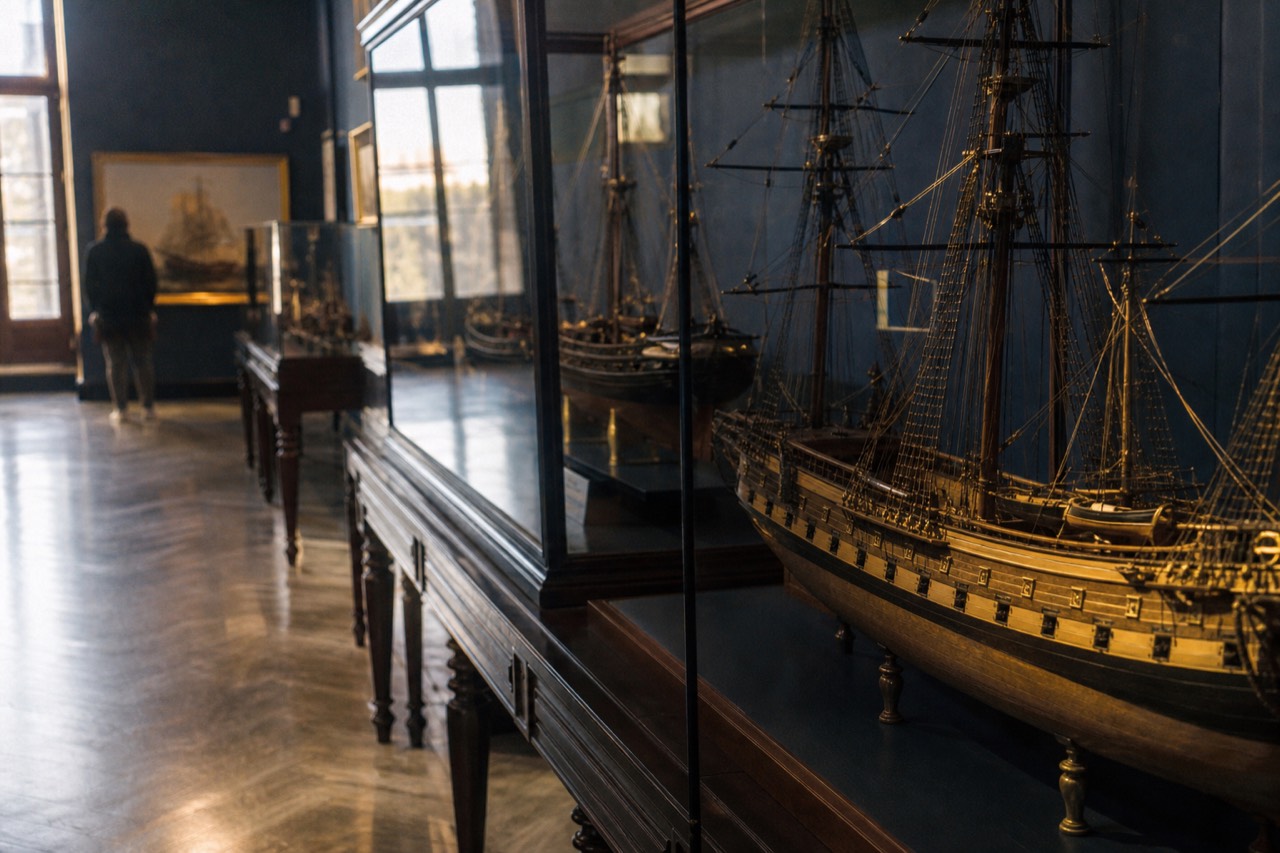
The gallery is the part of this square that visitors still miss. It took 741,589 visitors in 2025, up more than twelve per cent on the year before, and passed two million in its first three years, which is a strong number for a museum most guidebooks were printed before. Entry runs €14 officially, around $21 on the live listing, with a 4.7 rating across 223 reviews, and it opens free from 18:00 to 20:00 Monday to Thursday for EU and Iberoamerican citizens. Slots are capacity-capped and last admission is 45 minutes before closing, so the free hour is gone before it starts on a busy week. Its own visitor information carries the current exhibition schedule, which rotates several times a year.
| Nearby stop | Walk from the palace | Ticket | Closed | Time to allow |
|---|---|---|---|---|
| Galería de las Colecciones Reales | On the same square | €14 official, $21 on the listing | 1 and 6 Jan, 1 May, 25 Dec | 90 minutes |
| Almudena Cathedral | Directly opposite | Free to enter the nave | Varies with services | 20 minutes |
| Sabatini Gardens | Two minutes north | Free | Open daily | 30 minutes |
| Campo del Moro | Below the west front | Free | Open daily | 45 minutes |
| Templo de Debod | About 15 minutes north | Free, interior needs a timed reservation | Mondays | 45 minutes |
| Museo Cerralbo | 10 minutes towards Plaza de España | €3 | Mondays | 60 minutes |
Take the Galería de las Colecciones Reales straight after the palace if you have the stamina, because the two tell one story from opposite ends: the building the court used, then the objects it kept. If your legs have gone, walk north instead. The Templo de Debod sits in a park with the best sunset view in central Madrid, costs nothing, and needs a reservation only if you want to go inside. The Museo Cerralbo is three euros for a mansion nobody queues for.
Where does the palace fit into a wider Madrid plan?
Give the palace and the gallery one half day together, and the Paseo del Arte another. That splits Madrid's two heavyweight ticket clusters cleanly. On a two-day trip, take the palace at opening on day one and the Prado in its free last two hours on day two, which costs you one admission rather than two.
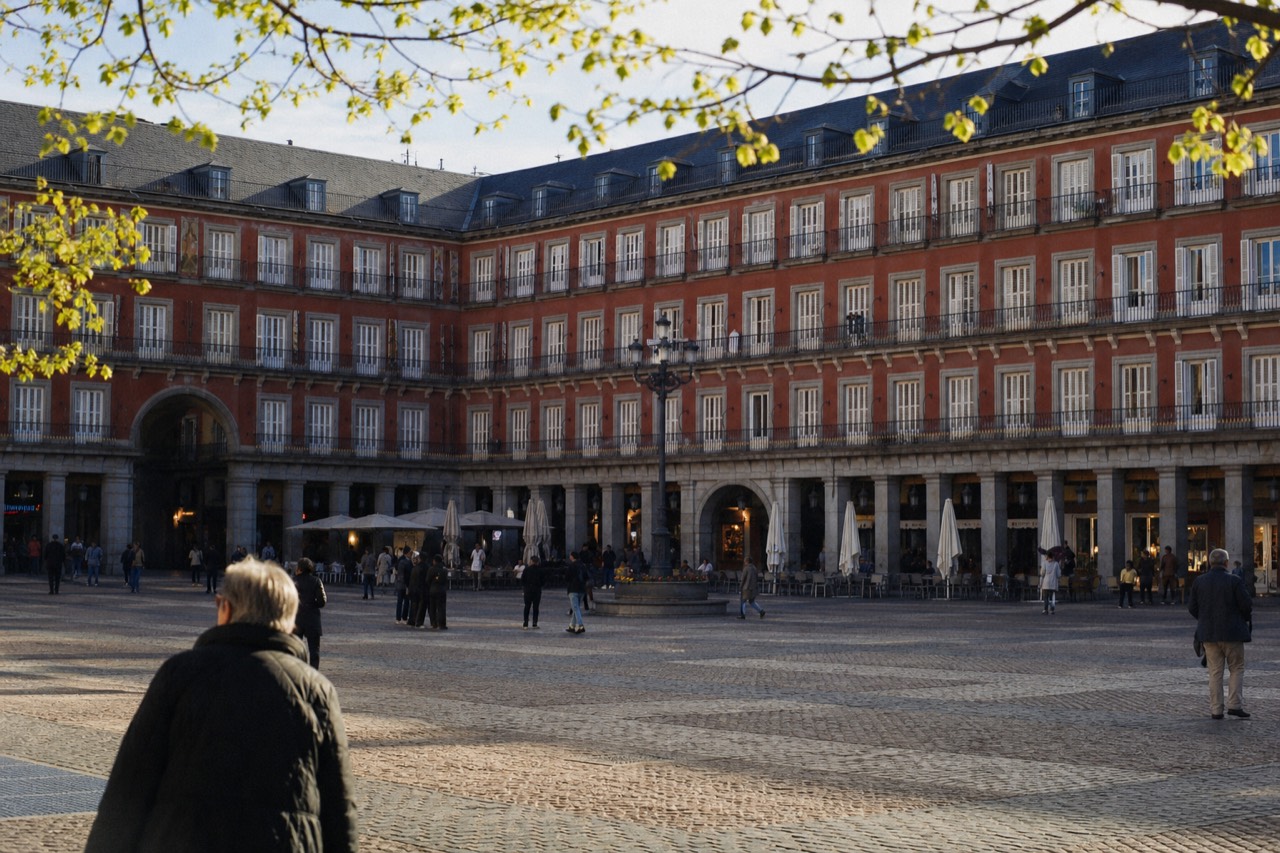
The palace drew 1,769,167 visitors in 2025, an 11.6 per cent jump, and it is the busiest single site in the national heritage portfolio. That volume is concentrated: late morning, weekends, guard days. Plan around those three and the building empties out considerably.
Pair it with art rather than with more royal interiors if you only have two days. The Prado Museum sits twenty minutes east and opens free for its last two hours daily, which is the cheapest strong afternoon in the city. Our day-by-day museum route sets out the order that works, and the free-entry hours in full list every window worth building an evening around. If you would rather rank the collections first, start with the ranked museum list and work back.
What do people ask before a Royal Palace visit?
Four answers cover most of it: the interior is worth a booked morning rather than a rushed hour, free entry exists but only for EU and Iberoamerican citizens on weekday late afternoons, nobody lives here day to day, and the museum next door is a separate ticket that most visitors enjoy more than they expected.
Is the palace interior worth the ticket if you only have one day in Madrid?
If your day is about art, no: the Prado gives you more per hour and opens free for its last two hours. If you want to understand Madrid as a capital rather than as a gallery city, yes. The state rooms are furnished and in use, which is rarer than it sounds among European palaces, and the armoury holds pieces you will not see elsewhere. Budget two hours and take the first slot of the day.
Do you need to book the Royal Palace in advance?
In the busy months, April to October, yes. The palace runs timed 30-minute entry slots to manage flow, and the early ones go first. Outside those months it operates closer to first come, first served, though Wednesday and Saturday mornings still queue because of the guard ceremony. Booking also gets you past the main ticket line, which is the part that eats an hour.
Is entry to the Royal Palace ever free?
Yes, on a restricted basis. The last two hours from Monday to Thursday are free for EU and Iberoamerican citizens: 17:00 to 19:00 from April to September, 16:00 to 18:00 from October to March. Everyone else pays. The forecourt, the guard ceremony, the Sabatini Gardens and the Campo del Moro are free for everybody, no ticket required.
Does anyone live in the Royal Palace of Madrid?
Not as a home. It is the official residence of the Spanish Crown and is used for state ceremonies, receptions and official acts, while the royal family actually lives at the Zarzuela Palace outside the city centre. That working status is why rooms occasionally close to visitors at short notice.
How long does a visit to the Royal Palace take?
About two hours at a normal pace, including the armoury and the pharmacy. An hour is enough if you skip both and move through the state rooms without stopping. Add another 90 minutes if you go on to the Galería de las Colecciones Reales next door, and half an hour if you watch the guard change before or after.
Which day is the Royal Palace busiest?
Wednesday and Saturday between 11:00 and 14:00, when the changing of the guard fills the Plaza de la Armería and the ticket queue behind it. The first Wednesday of most months at noon is heavier still, because that is the solemn ceremony with the band. Weekends generally run busier than weekdays across the whole day.
Is the Galería de las Colecciones Reales included in a palace ticket?
No. They stand on the same square and share an operator, but they are separate admissions: the gallery costs €14 officially and shows around $21 on the live listing. Combined tickets are promoted from time to time. The gallery also runs its own free window, 18:00 to 20:00 Monday to Thursday, on the same citizenship conditions as the palace.
What happens if a state ceremony is on?
Rooms close, or occasionally the whole palace does. The changing of the guard is also cancelled for official events and for bad weather. Neither happens often, but both happen without much notice, so if you have travelled specifically for the ceremony, check the official calendar the day before rather than the morning of.