Madrid Museum Itinerary: One, Two and Three Day Routes
Three worked routes built around walking distance rather than wishful thinking, with the hours, the closed days and the costs that decide which one fits your trip.
 By Elena García, Madrid Museums Specialist & Cultural Guide
Short answer
Two days is the realistic Madrid museum itinerary, and it matches how long people actually stay: the average visit runs 2.11 nights. Day one takes the Paseo del Arte trio, day two takes the Royal Palace cluster, and a third day buys you the second-ring house museums or a stadium. One day means choosing two of the three big collections and accepting it.
By half past nine the Paseo del Prado smells of watered pavement and diesel, and the first coaches are already idling by the Neptune fountain. Ticket holders drift toward the Goya door. Everyone else stands in a line that has not moved yet because nothing has opened. Twenty minutes later the same line is forty metres longer, and the people at the back have lost their morning.
That gap between a booked slot and a hopeful queue is the whole argument for planning a museum trip here in advance. What follows is three worked routes, one day, two days and three, built around what sits within walking distance of what. Every museum named below also appears in the madrid museums directory with its current price and rating, so you can swap a stop out without breaking the shape of the day.
How many days do you need for the museums in Madrid?
Two days covers the three great collections properly and leaves an afternoon for the Royal Palace. That also matches reality: visitors to Madrid stayed an average of 2.11 nights in the first half of 2026, rising to 2.38 nights for international arrivals. One day means picking two museums. Three days opens up the quiet second ring.
Most itineraries fail on arithmetic rather than ambition. The Prado alone rewards three hours, the Reina Sofía takes two before fatigue sets in, and the Thyssen runs two floors down in about the same. Add lunch, a walk and one queue, and a single day holds two museums comfortably, three only if you accept that the last one is a highlights reel.
| Days you have | What genuinely fits | What you give up | Who it suits |
|---|---|---|---|
| Half a day | One major collection, booked, plus a coffee | Everything else on the boulevard | Layovers, business trips with a free afternoon |
| One day | Two of the three Paseo del Arte museums | The Royal Palace and the second ring | Weekend city breaks, first visits |
| Two days | All three big collections plus the palace cluster | House museums, stadiums, Casa de Campo | The average Madrid stay of 2.11 nights |
| Three days | The above plus two second-ring museums or a stadium tour | Day trips to Toledo or Segovia | Repeat visitors, art-led trips |
| Four days or more | Everything here at a walking pace, with repeat visits in free windows | Very little | Slow travellers, families splitting up by interest |
The 2.11-night figure is the one to plan against. It comes from the first half of 2026, when Madrid took 5,660,098 visitors and 11.96 million overnight stays, and it explains why the two-day route below is the version we would hand to most people. Three days is a luxury the statistics say most visitors do not have.
If you are choosing which single museum to book first, our ranked list of the best collections sets them side by side on what actually hangs inside. For this page, assume the Prado is the anchor and build outward.
What does a one-day museum itinerary in Madrid look like?
Open at the Thyssen-Bornemisza at ten, walk south to the Reina Sofía before lunch, then take the Prado in its free last two hours from 18:00. That runs with the crowd flow rather than against it. It collapses on a Tuesday, when the Reina Sofía is closed, and on a Monday, when the Thyssen opens only from noon.
One day for three world-class collections is a compromise, and it works best when you decide in advance which one gets the real hours. Our answer is the Prado, because its Velázquez and Goya rooms are the thing you will remember. The other two get sharp, deliberate visits.
| Time | Where | What you do | Why this hour |
|---|---|---|---|
| 10:00 | Thyssen-Bornemisza | Top floor down through seven centuries, two hours | The quietest of the three at opening |
| 12:15 | Walk south past the Prado's north front | Ten minutes, shade on the museum side | Splits the day without a metro ride |
| 12:30 | Reina Sofía | Guernica first, then the rest of Floor 2 | Closed Tuesdays; Sunday hours end at 14:30 |
| 14:30 | Lunch off the boulevard, sitting down | Seventy-five minutes | The afternoon ahead is long |
| 16:00 | Retiro or the Real Jardín Botánico | An hour outdoors, both minutes away | Recovery before the third museum |
| 17:40 | The Prado's Goya door | Join before the free hour opens | The line forms about twenty minutes early |
| 18:00 | Prado | Velázquez, Goya, Bosch, El Greco | Free window, permanent collection only |
The 17:40 line in that table is the one that saves the day. The Prado's permanent collection is free for its last two hours every single day, 18:00 to 20:00 Monday to Saturday and 17:00 to 19:00 on Sundays and public holidays, and the queue builds before the hour rather than after it. Arrive at five past six and you are inside by quarter past. Arrive at half past and you have spent a quarter of your free window on the pavement.
There is a serious alternative for anyone who came for the old masters. Book a three-hour Prado morning at opening, take the Reina Sofía free after 19:00, and leave the Thyssen out. The Prado Museum timed slot is the one thing on this page we would hold before you fly, so pick your hour and check availability for your dates. Weekend and school-holiday mornings go first.
What is the best two-day museum route in Madrid?
Give day one to the Paseo del Arte, all three collections in one strip of boulevard, and day two to the Royal Palace, the Galería de las Colecciones Reales and the Templo de Debod. Each day stays inside a fifteen-minute walking radius, so you spend your hours in rooms rather than on the metro.
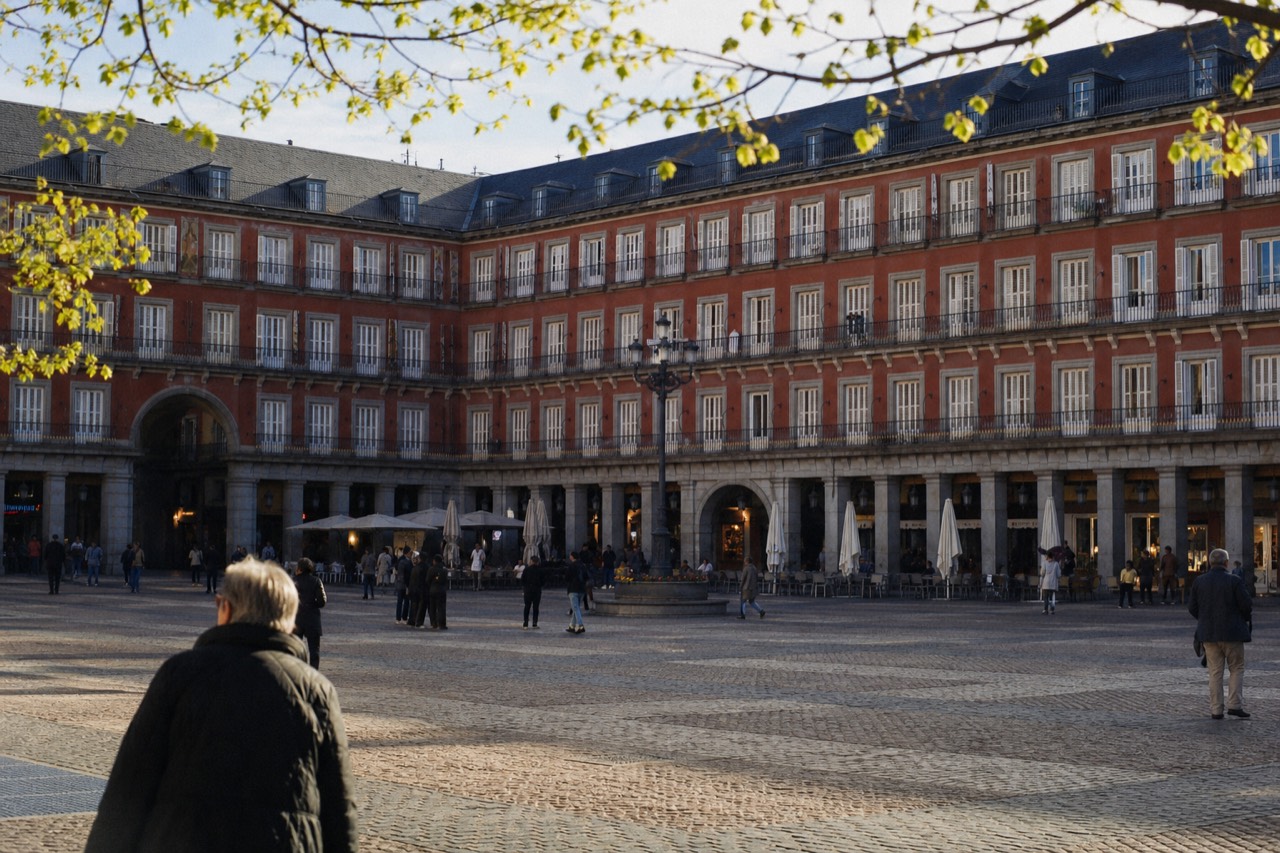
This is the route we would give almost anyone, and it borrows its logic from the way Madrid is actually laid out. The three art museums sit within a ten-minute walk of one another along the Paseo del Prado, inside the stretch UNESCO inscribed in July 2021 as the Paisaje de la Luz, the Landscape of Light, which marked its fifth anniversary in July 2026. The royal cluster sits at the other end of the centre, a different world about half an hour's walk west.
| Day | Morning | Afternoon | Evening | Walking total |
|---|---|---|---|---|
| Day 1 | Prado at opening, booked, three hours | Lunch, then Thyssen-Bornemisza | Reina Sofía free from 19:00 | Under 2 km |
| Day 2 | Royal Palace, first slot | Galería de las Colecciones Reales next door | Templo de Debod at sunset, free | Under 2.5 km |
Day two needs one warning. The Royal Palace is a working royal residence, still used for state ceremonies, and rooms close at short notice when something official is happening. It drew 1,769,167 visitors in 2025, up 11.6% on the year before, inside a record 7.45 million across all Patrimonio Nacional sites, so the first slot of the morning is worth holding rather than hoping for. Our Royal Palace timed entry page carries the current hours and what the ticket includes.
Next door, the Galería de las Colecciones Reales is the stop most two-day itineraries skip and should not. Patrimonio Nacional opened it in 2023 in a granite building cut into the hillside below the palace, and it shows Velázquez, Goya and Caravaggio from the royal collections in a building that is itself worth the ticket. Entry runs on capacity-capped time slots and last admission is 45 minutes before closing, which catches people who arrive straight from the palace at five to close. The royal collections gallery rates 4.7 across 223 reviews on the listing, the highest score of any royal-cluster ticket we track.
Finish at the Templo de Debod, ten minutes north on foot. It is a genuine ancient Egyptian temple, gifted to Spain and rebuilt above the Parque del Oeste, and it is always free. Two details catch visitors out: it closes on Mondays, and going inside needs a timed free reservation released through the city on the 15th of the previous month, with short slots and a small capacity. The exterior and the sunset behind it need no booking at all.
What goes in a third day of museums in Madrid?
Day three is where Madrid stops being a list of famous names. Spend it on the second ring: the Cerralbo mansion, the Lázaro Galdiano collection and the National Archaeological Museum, all of which charge three to eight euros. Or trade the whole day for a stadium tour and an afternoon in Casa de Campo with children.
The third day splits by who you are travelling with. Art-led visitors go north into Salamanca and Chamberí for the house museums. Families and football people go west and south. Both versions work; mixing them wastes an hour on the metro.
| Version | Morning | Afternoon | Ticket cost | Best for |
|---|---|---|---|---|
| House museums | Museo Cerralbo, €3 official | Lázaro Galdiano, €8 official | Under €12 | Second visits, quiet rooms |
| Ancient history | National Archaeological Museum, €3 official | Museo de América, €3 official | €6 | Rainy days, ancient-world interest |
| Football | Bernabéu stadium tour, from $43 | Atlético's Metropolitano and museum, from $29 | From $43 for one | Fans, teenagers |
| Family | Museum of Illusions or IKONO, from $19 and $18 | Zoo Aquarium in Casa de Campo, from $23 | From $41 combined | Under-twelves |
| Slow art | Return to the Prado in its free window | Real Jardín Botánico, from $9 | From $9 | Anyone who felt rushed on day one |
The house-museum version is the one Madrid residents tend to recommend. The Museo Cerralbo is the intact mansion of a nineteenth-century marquis near Plaza de España, complete with a chandeliered ballroom and an El Greco, and it took 165,167 visitors in a full recent year, roughly one visitor for every twenty-one the Prado takes. The Lázaro Galdiano mansion on Calle Serrano is the private collection of a financier, still shown in his own house, with Goya among the highlights.
The football version has its own gravity. Real Madrid's renovated stadium carries the largest review base of anything we track in the city, 4.5 across 25,789 reviews on the listing, and the tour set a holiday record with more than 160,000 visitors across one Christmas and New Year period, up 30% on the year before. Match days cut back what is open, so check the fixture list before you pick the date.
Which museums in Madrid group together by neighbourhood?
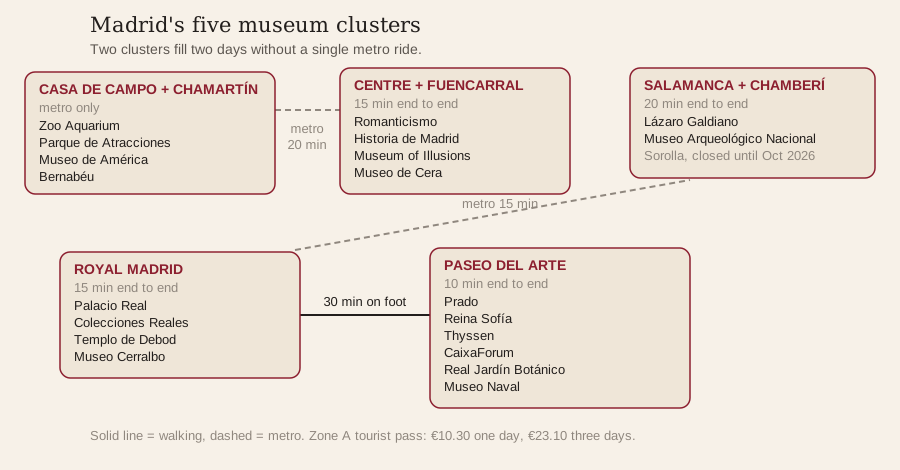
Madrid's museums fall into four walkable clusters and one scattered outer ring. The Paseo del Arte holds the big three plus CaixaForum and the Real Jardín Botánico. The royal cluster holds the palace, the Colecciones Reales and Debod. Salamanca and Chamberí hold the house museums. Casa de Campo holds the family attractions.
Grouping by geography rather than by theme is the single change that makes a Madrid museum itinerary work. The centre is compact: the Paseo del Prado cluster and the royal cluster are both walkable from Sol and Plaza Mayor, and only the outer ring genuinely needs the metro.
| Cluster | What is in it | Nearest metro | Walk across the cluster |
|---|---|---|---|
| Paseo del Arte | Prado, Reina Sofía, Thyssen-Bornemisza, CaixaForum, Real Jardín Botánico, Museo Naval | Banco de España, Atocha | 10 minutes end to end |
| Royal Madrid | Royal Palace, Galería de las Colecciones Reales, Templo de Debod, Museo Cerralbo | Ópera, Plaza de España | 15 minutes end to end |
| Salamanca and Chamberí | Lázaro Galdiano, National Archaeological Museum, Museo Sorolla | Serrano, Rubén Darío | 20 minutes end to end |
| Centre and Fuencarral | Museum of Romanticism, Museo de Historia de Madrid, Museum of Illusions, Museo de Cera | Tribunal, Colón | 15 minutes end to end |
| Casa de Campo and west | Zoo Aquarium, Parque de Atracciones, Museo de América | Casa de Campo, Moncloa | Metro between them |
| Chamartín and the north | Bernabéu stadium | Santiago Bernabéu | Metro from anywhere central |
The outer ring is where itineraries lose time. Sorolla and the Lázaro Galdiano sit up in Salamanca and Chamberí, the Bernabéu is further north again, and Casa de Campo is a park rather than a street corner. A Zone A tourist metro pass costs €10.30 for one day and €23.10 for three, including the airport supplement, which pays for itself the moment a day involves two outer stops. A ten-trip Metrobús ticket is €7.30 if you would rather not buy a pass at all.
One planning note the maps do not show: the Museo Sorolla, the painter's own house and studio in Chamberí, has been closed for renovation since 2024 and is due to reopen in phases from October 2026. No itinerary written for 2026 should count on it. We cover what is open instead in our guide to Madrid's quieter house museums.
What does a Madrid museum itinerary cost?
A two-day route with everything booked runs about €77 per adult in tickets. The same two days built around free windows costs nothing but locks you into fixed evening slots. The Paseo del Arte pass sits in between at €32.80 for the three art museums, against €41 bought separately.
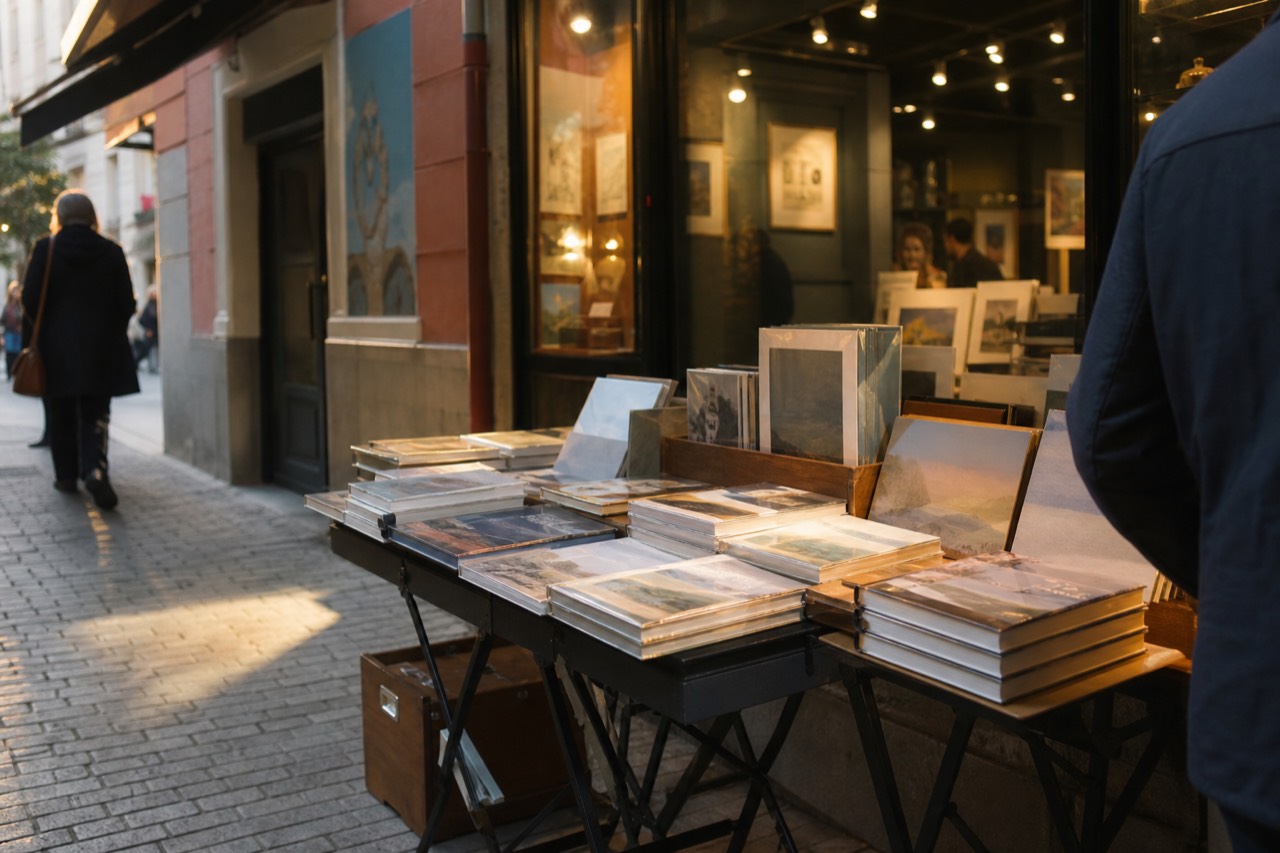
Costs here are unusually forgiving, because Madrid gives away more museum hours than almost any comparable capital. The question is not whether you can do this cheaply. It is how much of your evening you are willing to hand over to a queue in exchange for the saving.
| Version of the itinerary | Tickets included | Cost per adult | The trade |
|---|---|---|---|
| One day, all free windows | Thyssen Monday afternoon, Reina Sofía evening, Prado last two hours | €0 | Fixed hours, queues, only one day of the week works |
| One day, all booked | Prado, Reina Sofía, Thyssen at chosen times | From $51 combined | Full control of the hours |
| Two days, pass plus palace | Paseo del Arte pass, Royal Palace, Colecciones Reales | €32.80 plus two royal tickets | Best balance for most visitors |
| Two days, all booked | Three art museums plus palace and gallery | From $98 combined | Peak season, weekends, tight schedules |
| Three days, art plus second ring | The above plus Cerralbo and Lázaro Galdiano | Add about €11 | The cheapest genuinely good day in Madrid |
| Transport, three days | Zone A tourist pass including airport supplement | €23.10 | Only needed if you leave the centre |
| Hop-on hop-off bus, 24 hours | Three routes past the Paseo del Prado and the palace | €30 to €35 | Orientation on a first morning, tired legs |
Two lines in that table deserve a second look. The Paseo del Arte pass covers one visit each to the permanent collections of the three art museums for €32.80 and stays valid for a full year from purchase, which quietly makes it a two-trip ticket. It saves €8.20 against the €41 of three single admissions, and it carries no fast lane at all, so on a busy Saturday you queue with everyone else. It is sold at each of the three ticket desks and through the Thyssen's own site. We work the full arithmetic, including the museums it does not cover, in our guide to what the Paseo del Arte pass saves.
The hop-on hop-off bus is the line most people over-buy. Three routes, 24-hour tickets around €30 to €35 and 48-hour tickets above €40, and stops at the Paseo del Prado and the palace. It earns its price on a first disoriented morning or with someone whose legs are not up to the walking. For a two-day museum trip inside the centre, the metro and your own feet are faster.
Which days of the week break a Madrid museum plan?
Tuesday and Monday are the two that catch people out. The Reina Sofía closes on Tuesdays, unlike almost every other museum in the city, while Mondays close the Cerralbo, the Lázaro Galdiano, the National Archaeological Museum and the Templo de Debod, and cut the Thyssen back to a short afternoon.
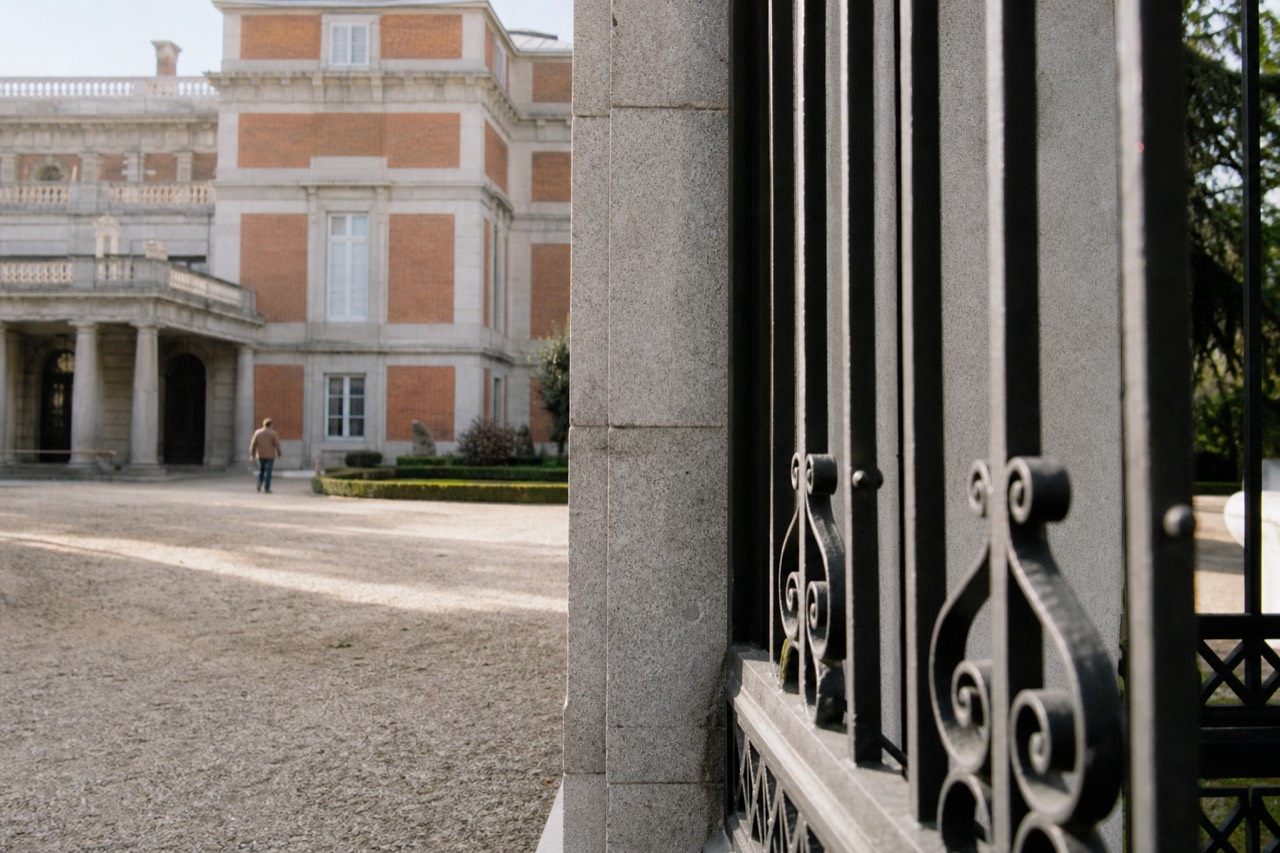
Madrid does not agree with itself about closing days, and the exceptions are exactly the museums people build a day around. Read this grid before you fix which day is which, because reordering an itinerary in advance costs nothing and reordering it on the pavement costs an afternoon.
| Museum | Closed | Standard hours | The catch |
|---|---|---|---|
| Prado | Open daily; 1 Jan, 1 May, 25 Dec | Mon-Sat 10:00-20:00, Sun 10:00-19:00 | Free last two hours daily; last entry 30 minutes before closing |
| Reina Sofía | Tuesdays | Mon and Wed-Sat 10:00-21:00, Sun 10:00-14:30 | Sunday ends at 14:30, which surprises weekend visitors |
| Thyssen-Bornemisza | Open daily | Tue-Sun 10:00-19:00, Mon 12:00-16:00 | Monday is a four-hour window, free for the permanent collection |
| Royal Palace | Open daily | Varies by season | State ceremonies close rooms or the whole palace at short notice |
| Galería de las Colecciones Reales | 1 and 6 Jan, 1 May, 25 Dec | Timed slots | Last admission 45 minutes before closing |
| National Archaeological Museum | Mondays | Standard state-museum hours | Free from 14:00 on Saturdays and on Sunday mornings |
| Museo Cerralbo | Mondays | Standard state-museum hours | Free Thursday evenings and Sundays |
| Lázaro Galdiano | Mondays | Standard hours | Free in the last hour, Tuesday to Friday |
| Templo de Debod | Mondays | Free, timed slots for the interior | Interior reservations open on the 15th of the previous month |
| Museo Naval | Mondays, and all of August 2026 | Free, €3 suggested donation | Back open in September |
The Reina Sofía is the single most disruptive of these. It closes on Tuesdays year round, and because it is the one museum in Madrid people arrive knowing they want to see, a Tuesday arrival plus a Wednesday departure removes Guernica from the trip entirely. Confirm on the museum's own visitor pages before you commit a day. If Tuesday is your only full day, take the Thyssen-Bornemisza entry and the Prado instead and treat the Reina Sofía admission as the reason to come back.
August has its own rules. The Museo Naval closes for the entire month in 2026 and returns in September, and the Real Academia de San Fernando shuts for much of it too. Both are otherwise excellent hot-afternoon options, which is precisely the problem.
What else do people ask when planning museum days here?
Four answers cover most of it: two days is the honest minimum for the big three, the Reina Sofía closes on Tuesdays rather than Mondays, the Prado's free window runs the last two hours every single day, and the €32.80 Paseo del Arte pass only repays you if you use all three legs.
Is 3 days long enough in Madrid?
Three days is generous for the museums and comfortable for the city. Two days covers the Paseo del Arte and the royal cluster; the third opens the second-ring house museums, a stadium tour or a slower return visit to the Prado in its free window. Most visitors do not get three: the average stay in the first half of 2026 was 2.11 nights, and 2.38 for international arrivals.
What is the must see in Madrid for one day?
The Prado, booked at opening for three hours, then the Reina Sofía for Guernica in its free evening window from 19:00. That gives you the two collections nobody regrets and leaves the middle of the day for Retiro, lunch and the walk between them. Skip the Thyssen rather than rushing all three, unless it happens to be a Monday afternoon when its permanent collection is free.
Can you walk between Madrid's main museums?
Yes, and it is the fastest way. The Prado, Reina Sofía and Thyssen-Bornemisza sit within a ten-minute walk of each other along the Paseo del Prado. The Royal Palace and the Galería de las Colecciones Reales stand side by side, about half an hour west on foot from the art museums. Only the Lázaro Galdiano, the Bernabéu and the Casa de Campo attractions need the metro.
Which museum should you book first for Madrid?
The Prado, then the Royal Palace. Both run timed entry, both are the busiest tickets in their category, and both lose their best morning slots to advance bookings in high season. The Galería de las Colecciones Reales caps capacity per slot and rewards booking too. The three-euro state museums almost never need a reservation.
Is a Madrid museum itinerary worth building around free hours?
Partly. Free windows are genuinely free rather than discounted, and they are excellent for a second museum you had not planned or a return visit to four paintings. They are a poor substitute for a first visit to the Prado, where two hours covers the greatest hits and little else, and they cannot be reserved, so they run first come, first served.
How much time should you allow at each museum?
Three hours at the Prado, two at the Reina Sofía, two at the Thyssen-Bornemisza, about ninety minutes at the Royal Palace and an hour and a half at the Galería de las Colecciones Reales. The house museums run about an hour each. Those numbers assume you are looking rather than photographing, and they include the entry queue in high season.
Does the itinerary change with children?
It shortens. Children last roughly ninety minutes in a painting gallery and several hours in an interactive one, so pair one big collection each morning with something hands-on afterwards. IKONO sits next door to the Reina Sofía, the Museum of Illusions is central, and the Zoo Aquarium and Parque de Atracciones fill a whole day out in Casa de Campo.
Do you need a transport pass for a museum trip?
Only if you leave the centre. A Zone A tourist pass costs €10.30 for one day, €17.50 for two and €23.10 for three, and it includes the airport supplement, which makes it worthwhile on arrival day. If your route stays on the Paseo del Prado and around the palace, a ten-trip Metrobús ticket at €7.30 is plenty for two people over two days.