Opens the official listing with live dates and prices. Book there; nothing is charged on this site.
Area
Madrid
Theme
Golden Triangle of Art
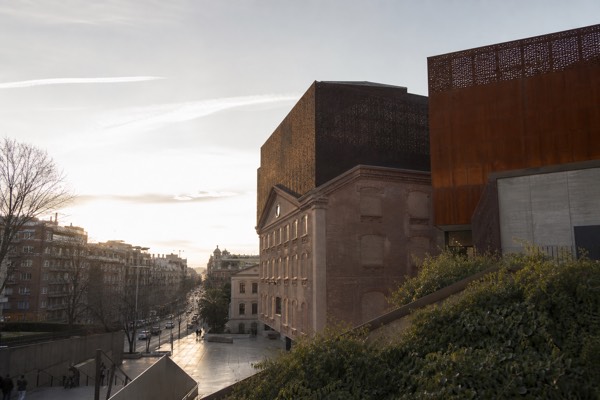
The wall of plants gets there first. Before you reach any exhibition there is a living vertical garden growing up the side of a building on the Paseo del Prado, and it costs nothing to stand and look at it. Behind it, CaixaForum Madrid runs a programme of rotating exhibitions instead of a permanent collection, which changes how you plan the visit: nothing here is always on. Admission is €6, which on this stretch of street is the cheapest ticket going.
What is CaixaForum Madrid, and what is inside?
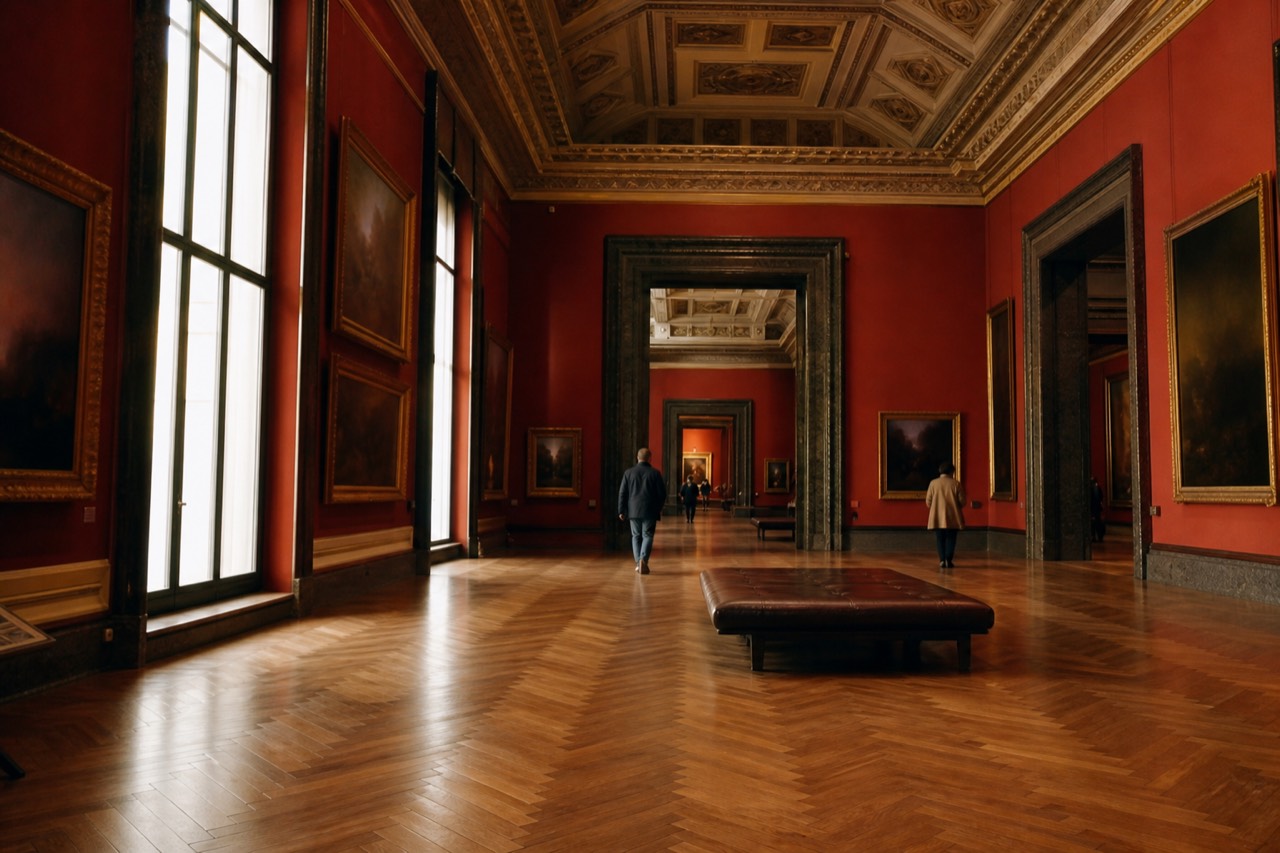
CaixaForum Madrid is the la Caixa foundation's arts centre on the Paseo del Prado, set behind a living vertical garden. It has no permanent collection. What it has instead is a rotating programme of exhibitions, so what you see depends entirely on the month you turn up.
That absence of a fixed collection is the whole character of the place. There is no equivalent of Guernica or Las Meninas waiting for you, no single work the building is organised around. Shows arrive, run their weeks, and leave, which means a visit is only as good as the exhibition on at the time, and the honest advice is to look that up before deciding.
The vertical garden is the other reason people stop. It grows on the wall beside the entrance, changes with the season, and is entirely free to look at from the pavement, which makes it one of the few things on this boulevard you can enjoy without a ticket. Plenty of visitors come for the plants and only then notice there is a gallery attached.
Its position matters as much as its programme. The centre sits on the same stretch as the three big Art Walk collections, close enough that it becomes an option when a national museum feels like too much, or when you have an hour spare between two other things and do not want to spend it in a café.
How does admission work, and what does it cost?
Admission to the exhibitions is €6 at the centre itself, which is the cheapest paid entry on this stretch of the Paseo del Prado. Several days each year are free: 15 and 18 May, and 9 November. The building closes on 25 December and on 1 and 6 January.
Six euros is the number to hold on to. It is less than half the price of any of the three national museums nearby, and it covers whatever is showing rather than a fixed collection, so the value of the ticket moves with the programme. On a strong exhibition it is one of the better deals in the city; on a subject that does not interest you, it is six euros you could have kept.
The free dates cluster in mid-May, around International Museum Day, and land again on 9 November. They are worth knowing about but they are not a plan on their own, since they are fixed calendar days rather than a weekly window like the ones the bigger museums run.
If a particular show is the reason you are going, or you are fitting the centre into a day that already has a timed museum entry in it, take a moment to check availability using the booking panel above. Otherwise this is a place you can simply walk into.
Ticket
Price
Notes
Exhibition admission
€6
Official price at the centre
Free days
Free
15 and 18 May, and 9 November
Booked online
Live price on the listing
Fixes a date and time in advance
Closed
25 December, 1 and 6 January
No exhibitions on those dates
Vertical garden
Free
Visible from the street, no ticket needed
How does €6 compare with the museums around it?
Six euros against fourteen or fifteen is the short version. The Prado, the Thyssen-Bornemisza and the Reina Sofía are permanent national collections and priced as such. This is a rotating exhibition space, so it costs less and asks less of your day, but it cannot promise you a specific painting.
Set side by side, the difference is not really about money. The national museums are half-day commitments with a guaranteed return: the pictures are there, the visit works whenever you go. An exhibition centre is a lottery you can check in advance, and checking is the whole trick to using it well.
What it does better than any of them is the short visit. An hour here is a complete experience rather than a rushed sample, which is not true of the Prado or of the Reina Sofía, and it is why the centre works best as a second stop rather than a first.
Where
Adult ticket
Free window
What you get
CaixaForum Madrid
€6
15 and 18 May, and 9 November
Rotating exhibitions, no permanent collection
Prado
€15
Last two hours every day
Spain's national painting collection
Thyssen-Bornemisza
€14
Mondays 12:00 to 16:00; Saturdays 21:00 to 23:00
Seven centuries in one family collection
Reina Sofía
€12
Evenings 19:00 to 21:00; Sun 12:30 to 14:30
Twentieth-century Spanish art and Guernica
How long do you need, and when should you go?
Allow about an hour for a single exhibition, and up to two when more than one is running. Because there is no permanent collection to work through, the length of the visit is set by the programme rather than by the building, and a quiet weekday morning is the easiest time to arrive.
The practical order is the reverse of a museum day. Look up what is showing, decide whether it interests you, and only then decide when to go. Anyone who turns up blind will sometimes strike a superb show and sometimes find a subject they would never have chosen, and at €6 both outcomes are survivable.
It also works as a weather plan. On a hot Madrid afternoon or a wet one, an hour indoors on the Paseo del Prado between two other stops is a sensible use of the day, and the vertical garden gives you something to look at even if the exhibition is not for you.
Know before you go: setting, closed dates and getting there
The centre stands on the Paseo del Prado, on the same walk as the three big Art Walk museums, behind the living vertical garden that marks it out from the street. Admission is €6, and it closes on 25 December and on 1 and 6 January. There is no permanent collection, so check the programme before you set a date.
Because the address is central, most visitors arrive on foot as part of a Paseo del Prado day rather than making a separate trip. From further out, a single Zone A metro ticket runs €1.50 to €2.00 and a ten-trip ticket €7.30, with multi-day travel passes from €10.30 for one day to €43.20 for seven.
Two habits make it work. Check what is on, and treat the visit as an add-on rather than the centrepiece of the day. The city's official visitor site, esmadrid.com, keeps a current listing of exhibitions across Madrid, which is the quickest way to see whether this one is worth your hour.
At a glance
Detail
Where
On the Paseo del Prado, behind the living vertical garden
Admission
€6 for the exhibitions
Free days
15 and 18 May, and 9 November
Closed
25 December, 1 and 6 January
Permanent collection
None; the programme rotates
Typical visit
About an hour for one exhibition
Getting there
Zone A single €1.50 to €2.00; ten-trip ticket €7.30
Travel passes
From €10.30 for one day to €43.20 for seven
Which museums pair well with a visit here?
Everything worth pairing is within a ten-minute walk. The Prado is the heavyweight at one end of the boulevard and the Reina Sofía the modern anchor at the other, with the Thyssen-Bornemisza in between. An exhibition here slots into the gap between two of them without adding much to the day.
The pattern that works is one big collection and this. Give the morning to the Prado, eat, then take an hour here on the way back. If modern art is the draw, swap in the Reina Sofía, which closes on Tuesdays and opens its doors free most evenings from 19:00.
For breadth rather than depth, the Thyssen-Bornemisza covers seven centuries in a building you can finish in two hours, and it is free on Monday afternoons. If all three national museums are on the plan, the Paseo del Arte pass covers one visit to each for €32.80 and stays valid for a year.
Questions people ask
How much does CaixaForum Madrid cost?
Admission to the exhibitions is €6 at the centre itself, the cheapest paid entry on this part of the Paseo del Prado. Set days each year are free: 15 and 18 May, and 9 November. The vertical garden outside can be seen from the street at no cost.
Does CaixaForum Madrid have a permanent collection?
No. It runs a rotating programme of temporary exhibitions rather than a fixed collection, so there is no single work you can count on finding. Look up what is showing before you choose a date, because the visit is only as good as the exhibition on at the time.
When is CaixaForum Madrid free?
On set calendar dates rather than a weekly window: 15 and 18 May, and 9 November. Those are fixed days, unlike the recurring free evenings the big national museums run, so they are useful if your trip lines up and irrelevant if it does not.
What is the vertical garden?
A living wall of plants growing up the side of the building on the Paseo del Prado, and the thing most people photograph before they go in. It changes with the season and needs no ticket, which makes it one of the few free sights on this stretch of boulevard.
How long do you need at CaixaForum Madrid?
About an hour for one exhibition, up to two if several are running. There is no permanent collection to walk through, so the length is set by the programme rather than the building. That makes it a natural short stop rather than a half-day commitment.
When is CaixaForum Madrid closed?
It closes on 25 December and on 1 and 6 January. Between exhibitions a gallery can also be shut for installation, which is another reason to check the current programme before travelling across the city rather than turning up on spec.
Is CaixaForum worth visiting alongside the Prado?
It works well as the shorter half of a Paseo del Prado day. Give the morning to the Prado, then take an hour here on the way back. At €6 it does not have to carry the day, which is exactly what makes it easy to add.
How do you get to CaixaForum Madrid?
It sits on the Paseo del Prado within a short walk of the three big Art Walk museums, so most people arrive on foot. From further out, a single Zone A metro ticket costs €1.50 to €2.00 and a ten-trip ticket €7.30.
Madrid · Seven centuries of art from one family collection
The third corner of the Paseo del Arte triangle, running from old masters to pop art out of the Thyssen-Bornemisza family collection. Mondays are free at set hours and temporary exhibitions sell by timed slot.
Madrid · Velazquez, Goya and El Greco in Spain's national gallery
Spain's national art museum on the Paseo del Arte, home to Las Meninas and the deepest Goya collection anywhere. The permanent collection opens free in the last two hours of each day, and paid timed entry covers the rest.
Madrid · Picasso's Guernica and Spain's modern masters
Madrid's national museum of modern art, built around Picasso's Guernica with deep Dali and Miro holdings. It closes on Tuesdays rather than Mondays, and the free evening hours fill quickly.