Is it worth going inside the Royal Palace in Madrid?
An honest verdict on the Royal Palace interior: what the state rooms show, where the royal art actually hangs, and who is better off skipping it.
 By Elena García, Madrid Museums Specialist & Cultural Guide
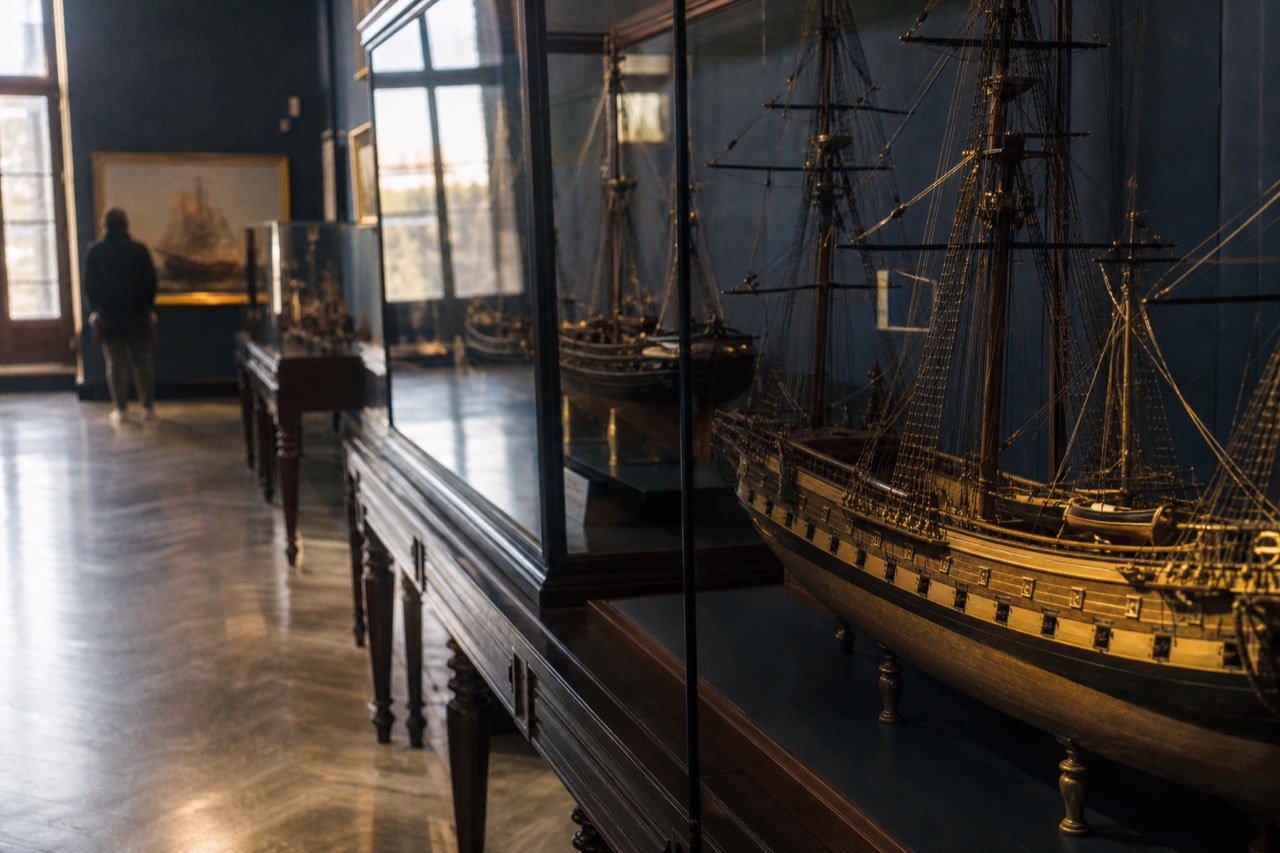
On a Wednesday morning the crowd on the Plaza de la Armería splits in two. One half has tickets and moves. The other is waiting for the changing of the guard at the Puerta del Príncipe, which costs nothing and eats about half an hour of standing. Whether the paid half of that square is getting the better deal is the question almost everyone out there is quietly running in their head.
What is special about the Royal Palace of Madrid?
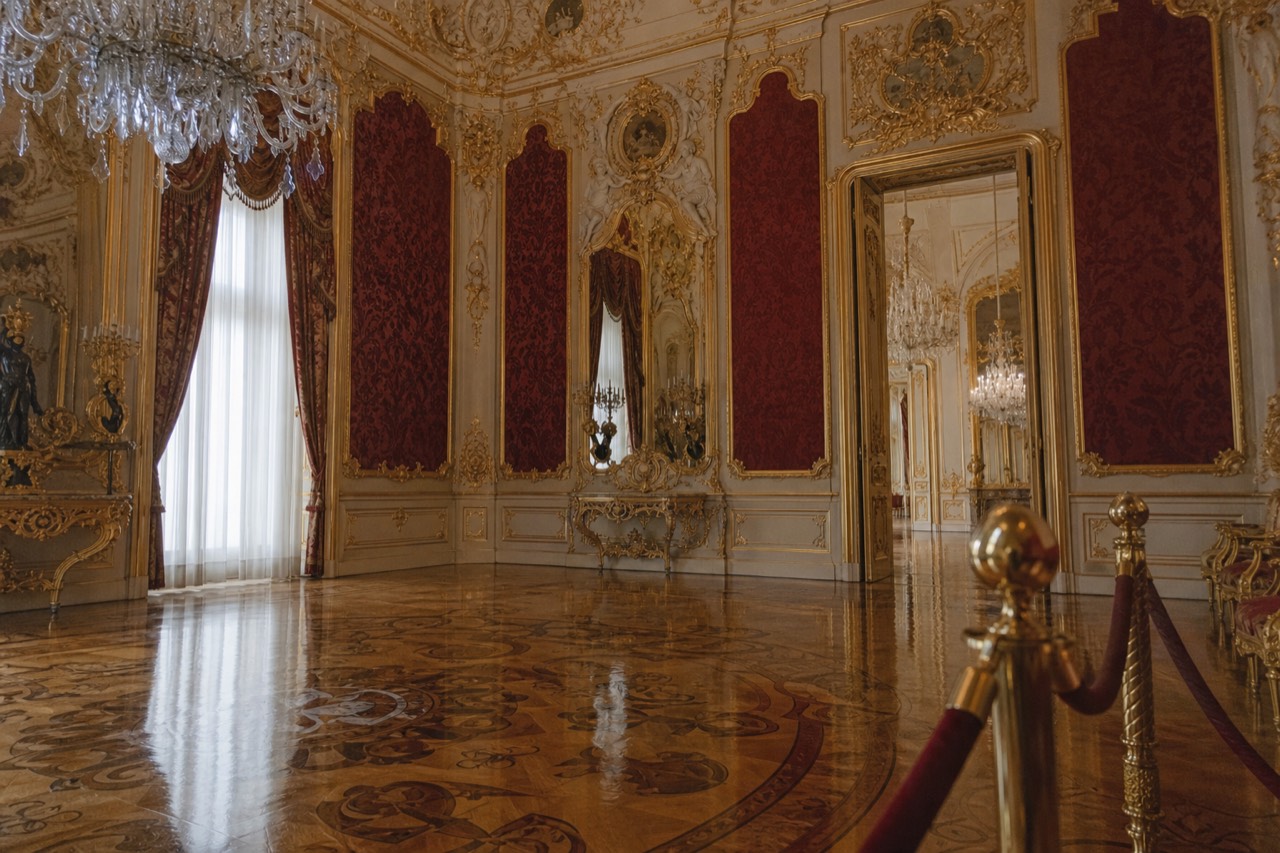
It is a working state building rather than a museum. The Spanish Crown still uses it for official ceremonies, which is why rooms shut at short notice and why the visitor route is not identical from one week to the next. Outside, the guard ceremony runs free every Wednesday and Saturday.
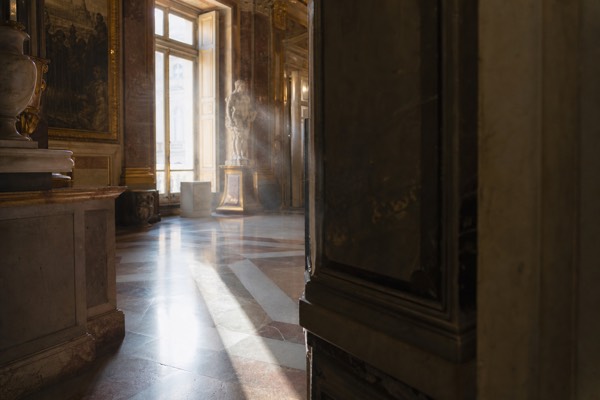
That ceremony is worth planning around before you think about the interior at all. The standard relief runs 11:00 to 14:00 on Wednesdays and Saturdays, shifted to 10:00 to noon between 1 July and 31 August because of the heat. On the first Wednesday of most months, January, August and September excepted, a much larger solemn version takes over at noon: roughly fifty minutes, hundreds of participants, a band. The next one falls on 7 October 2026. Weather and state business can cancel either without warning, which the city's own tourism pages say plainly.
Does anyone live in the Royal Palace in Madrid?
No. The King and Queen live at the Palacio de la Zarzuela, out on the edge of the city, and have done for decades. The Palacio Real is kept for state occasions: audiences, credentials, official banquets. That is exactly why a visit can run into a closed wing with no notice and no refund on the time you lost.
Patrimonio Nacional, the body that runs the site, counted 1,769,167 visitors here in 2025, up 11.6% on the year before, inside a record 7.45 million across everything it manages. Those are tourist numbers, not resident ones. The palace sits in the royal section of madrid museums rather than with the art collections for the same reason: what you are buying is a building and a ceremony, not a gallery.
Is the Royal Palace in Madrid worth visiting?
Yes for the architecture and the ceremonial weight, with one caveat most people learn too late. The royal paintings that visitors expect to find inside are largely next door. The Royal Collections Gallery shows more than 650 pieces from the royal holdings, Velázquez, Goya and Caravaggio among them, and it stays noticeably quieter.
| Royal Palace | Royal Collections Gallery | |
|---|---|---|
| What you walk through | State rooms of a building still used for official ceremonies | Purpose-built galleries holding 650+ pieces from the royal collections |
| 2025 visitors | 1,769,167, up 11.6% | 741,589, up around 13% |
| On the live listing | From $26, rated 4.6 across 15,990 reviews | From $21, rated 4.7 across 223 reviews |
| Free window | Mon-Thu, last two hours, EU and Iberoamerican citizens only | Mon-Thu 18:00-20:00, same eligibility |
| Crowds | Heaviest Wednesday and Saturday mornings, and at weekends | Consistently the calmer of the two |
Read that as a verdict rather than a scoreboard. If you have half a day and you want one royal site, the palace is the one people remember, because scale and ceremony land in a way a hanging wall of canvases does not. If you came to Madrid for paintings, the gallery beside it gives you more of what you actually want for less money, and the Prado's ticket and hours page covers the rest. Doing both in an afternoon is entirely normal, and our full walkthrough of visiting the palace sets out the order that works.
If you are going, the Royal Palace fast-access entry is the version that skips the main ticket line, and it pays to check which time slots are still open before you fix a morning. It sits at around $26 on the live listing, and there is a separate free-entry route that applies only to some passports, which we untangle in who actually gets in free.
Why is the Royal Palace of Madrid famous?
Because it is the official residence of a reigning monarchy that still uses the building for real business, which very few palaces on the European circuit can claim. The free guard ceremony gives it a second draw that costs nothing at all. Between them, those two things pulled nearly 1.8 million visits in 2025.
The gallery next door is the newer story. Opened in 2023, the Royal Collections Gallery next door has already passed two million cumulative visits and has staged seventeen temporary exhibitions in three years, the most recent a court-textiles show that ran to 12 October 2026. It marked its third anniversary with two free days, 29 June and 25 July 2026, complete with talks and tours of the storage areas. Its own visitor pages carry the current programme.
What else do people ask before going inside?
Hours run 10:00 to 19:00 Monday to Saturday from April to September, and 10:00 to 18:00 from October to March. Sundays close at 16:00 all year. Last admission is one hour before the doors shut, so a late arrival buys you far less than the ticket suggests.
Is it worth going inside Royal Palace Madrid if you only have one day?
Yes, if royal architecture is on your list at all. Allow ninety minutes for the interior and add the guard ceremony only if your day already falls on a Wednesday or Saturday. If your single day is an art day, spend it on the Paseo del Arte instead and keep the palace for a return trip.
Can you see the changing of the guard for free?
Yes. Both versions happen outside the ticket line and cost nothing. The weekly relief runs Wednesdays and Saturdays at the Puerta del Príncipe; the monthly solemn ceremony takes place at the Puerta de Santiago and the Plaza de la Armería. Both are cancelled in bad weather or when a state event takes priority.
Which is busier, the palace or the gallery beside it?
The palace, by a wide margin. It logged 1,769,167 visitors in 2025 against 741,589 at the Royal Collections Gallery, and the gap shows most on Wednesday and Saturday mornings when the guard change puts the whole square in one place. Patrimonio Nacional manages both sites.
Do state ceremonies really close rooms?
They do, and at short notice. The palace remains in official use for audiences and state banquets, so parts of the route can be withdrawn on the day. It is the one honest argument for booking a flexible slot rather than a fixed non-refundable morning.